The commune of Nyanza, located in Burundi's Région Sud, is experiencing a rising number of gender-based violence (GBV) cases across various forms. Local reports indicate that Nyanza is recording more and more cases of gender-based violence of different types, noting a growing crisis within the community. The increasing incidents have prompted urgent calls for improved and localized support systems for victims in the area, as the existing infrastructure proves insufficient to address the escalating problem.
Scope and Nature of Violence
Victims of gender-based violence (GBV) in Nyanza are requesting the establishment of a holistic care center within the commune, aiming to provide essential medical, legal, and psychological support services. This request shows the critical need for full assistance tailored to the specific challenges faced by survivors. The observed forms of violence encompass a wide range, illustrating the complex nature of the issue. These include the horrific rape of young girls, which frequently results in unwanted pregnancies and subsequent school dropouts, profoundly impacting their futures and perpetuating cycles of vulnerability. Other documented instances include polygamy, polyandry, physical violence, and economic violence, which often leave victims without financial independence or recourse. Family abandonment, child abandonment by mothers, and the spoliation of widows' property by their families-in-law are also widely reported, stripping individuals of their familial support and economic security. These varied expressions of violence collectively paint a grim picture of the challenges confronting women and girls in Nyanza.
Contributing factors to the prevalence of GBV are multifaceted and deeply rooted in the commune's socio-economic fabric. A significant number of women employed in the fishing sector are particularly vulnerable to exploitation and abuse. Incidents of human trafficking affecting minor girls further exacerbate the problem, exposing young individuals to severe forms of violence and exploitation. Additionally, the presence of numerous Burundian returnees who have settled in the area, while a testament to post-conflict recovery, also introduces new social dynamics that can sometimes contribute to increased tensions and instances of GBV.
Many seasonal or migrant workers, including fishermen, bicycle and motorcycle taxi drivers, and domestic workers from across Burundi, are attributed as significant contributing factors to the causes of violence in the commune. This transient population dynamic is seen as influencing the social landscape, sometimes leading to a breakdown of traditional community structures and accountability mechanisms.
Challenges and Existing Gaps
Between 10 to 15 cases of gender-based violence are recorded each month in Nyanza commune, indicating a persistent problem within the community. These recorded figures, however, only represent cases brought to the attention of administrative authorities, the police, or existing GBV support structures. The true prevalence of such incidents may be significantly higher, as many cases likely go unreported due to fear, stigma, or lack of accessible reporting mechanisms. Victims there also deplore the absence of civil society organizations dedicated to the promotion and protection of women's rights, according to local reports. This critical lack of specialized local support structures means victims face significant difficulties accessing appropriate care, leaving them without key advocacy and assistance.
For the wider province of Burunga, there are two holistic care centers for these violences: the Humura center in Rumonge and another center located in the provincial capital of Burunga. However, their considerable distance from Nyanza commune presents an additional and often insurmountable barrier for victims seeking assistance. The absence of similar facilities within Nyanza itself forces victims to travel, often at considerable personal cost and risk, to access essential medical, legal, and psychological services. This geographical challenge exacerbates the pre-existing difficulties faced by those experiencing gender-based violence in the commune, making timely and effective intervention exceedingly difficult. Victims in Nyanza face profound difficulties accessing care due to the pronounced lack of local support structures.
Victims' Plea for Support
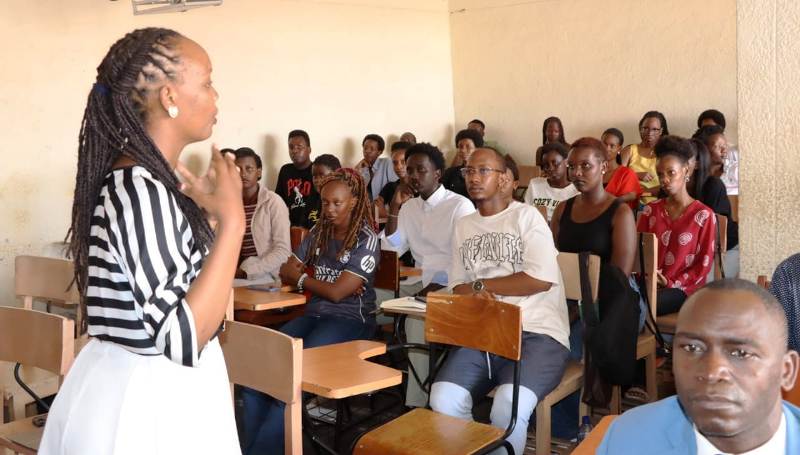
The true prevalence of gender-based violence in Nyanza commune is likely higher than reported figures suggest, as many cases remain hidden. Efforts to combat the violence include awareness-raising sessions conducted on the hills of Nyanza, aiming to educate the community and foster a greater understanding of GBV. However, despite these educational initiatives, the widespread practice of amicable settlements for violence cases is allowing the issues to persist within the community, undermining formal justice mechanisms and denying victims proper redress. This informal resolution often fails to provide lasting solutions or ensure the safety of survivors, perpetuating the cycle of violence. The urgent establishment of a holistic care center within Nyanza is therefore seen as a vital step towards providing full support and justice for the commune's most vulnerable residents.