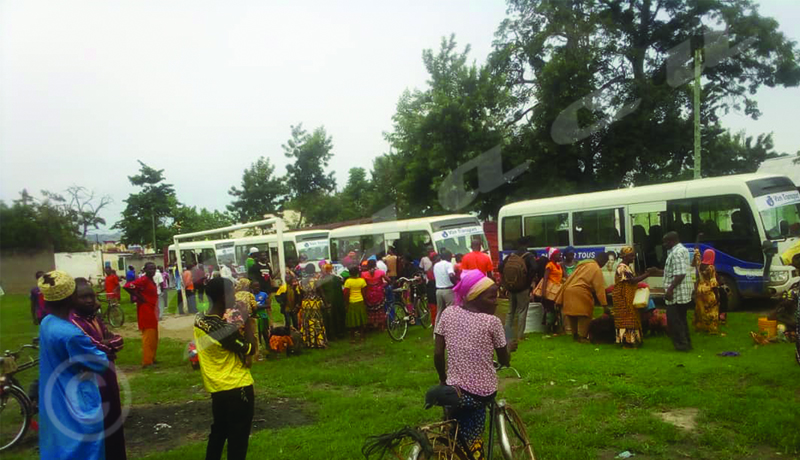
Repatriates who returned to Rumonge, Burundi, from exile in recent years are requesting multi-faceted assistance from relevant ministries for better reintegration into the community. Many repatriates are currently without homes, relying on friends, neighbors, or relatives for accommodation, a situation that shows the immediate need for full support. This reliance on the generosity of others, while a testament to community solidarity, is not a sustainable long-term solution for the returnees. Some of these returnees have managed to construct house walls on their original hills but now require essential building materials such as corrugated iron sheets, poles, and nails to complete their dwellings. These partially built structures highlight the determination of the repatriates to re-establish themselves, yet also expose the critical gaps in resources hindering their full recovery and settlement. The lack of basic shelter remains one of the most pressing issues for these communities.
Urgent Needs for Shelter and Sustenance
Some repatriates, upon their return from exile, initially rented houses but are now facing financial difficulties that prevent them from affording housing in urban or semi-urban centers. This situation has exacerbated their reintegration challenges, forcing many to seek alternative, often temporary, living arrangements. The inability to maintain rented accommodation represents a significant setback, pushing families further into precarious living conditions and hindering their ability to secure stable livelihoods. Other repatriates are homeless and are being hosted by friends, neighbors, or relatives, a temporary measure that places strain on both the host families and the returnees, showing the urgent need for dedicated housing solutions.
Many repatriates are requesting land plots, chemical or organic fertilizers, and seeds. This aid is particularly urgent as the rainy season approaches, offering a critical window for cultivation to secure food and livelihoods. Access to agricultural inputs is vital for these communities, many of whom rely on subsistence farming. Without these resources, repatriates face the daunting prospect of food insecurity, further complicating their efforts to rebuild their lives and contribute to the local economy. The timely provision of these resources could significantly impact their self-sufficiency and reduce reliance on external aid.
Education and Health Gaps
Repatriates require school supplies for their children as the 2026-2027 school year is set to commence on Monday, September 14, 2026. The lack of essential materials such as notebooks, pens, and textbooks poses a significant barrier to education, threatening to disrupt the academic progress of repatriated children and potentially perpetuating cycles of disadvantage. Ensuring access to education is a cornerstone of successful reintegration, offering children a pathway to a brighter future and stability.
In addition to educational needs, some repatriates possess health assistance cards but report experiencing frequent stockouts of medication at certain public health centers. These medication shortages undermine the effectiveness of their health coverage and can lead to deteriorating health conditions, particularly for those with chronic illnesses. These repatriates also indicate a need for enhanced awareness and prevention information regarding various health campaigns, specifically citing those targeting malnutrition, Ebola, and Mpox. The absence of adequate information leaves them vulnerable to preventable diseases and health crises. These gaps in education and health services represent significant challenges to their successful reintegration within the community, affecting both their immediate well-being and their long-term prospects. Addressing these issues requires a coordinated effort to ensure consistent access to medical supplies and effective public health communication.
Administrative Processes and Forgotten Groups
A category of repatriates in Rumonge feel they are forgotten and not included in vulnerable person assistance programs or relevant training initiatives. This sense of exclusion suggests potential shortcomings in the outreach and identification processes for support services. Repatriates are registered by base administrative authorities upon their arrival at specific hills or neighborhoods. These authorities are responsible for transmitting the real needs of repatriates to communal authorities. Communal authorities then forward these needs to ministries responsible for repatriate reintegration. This hierarchical system, while structured, appears to have points of failure, leading to some returnees being overlooked. The commune of Rumonge has previous experience in hosting repatriates, suggesting established protocols for managing such influxes. This historical context implies that mechanisms for reintegration should be strong. However, the current claims of exclusion highlight potential gaps in the implementation or scope of existing support mechanisms despite the commune's history with returnees, indicating a need for review and improvement in how these programs are delivered and who they reach.
Call for Indemnification Fund
Both repatriates and local residents are advocating for the establishment of an "indemnification fund" (fonds d’indemnisation), which is provided for in the Arusha Agreement. According to these groups, the existence of such a fund would have resolved persistent land disputes between repatriates and residents in Burunga province. These disputes often arise from complex historical claims and the reoccupation of land, creating tension and hindering peaceful coexistence. The call for this fund notes a perceived failure in addressing historical grievances and current challenges related to property ownership and returnee integration, suggesting that a dedicated financial mechanism is seen as key for achieving lasting peace and equitable resolution of land conflicts. Its implementation could significantly de-escalate tensions and facilitate smoother reintegration by providing tangible compensation and clear pathways for dispute resolution.