Residents of the Rugombo zone, located in Cibitoke commune, Bujumbura-Ouest province, are denouncing alleged irregularities in the process of surveying and distributing plots of land. The plots are specifically intended for vulnerable families, with a particular focus on members of the Batwa community, who are among the most marginalized groups in the region. The residents claim the distribution has not followed established procedures, leading to significant concerns about fairness and transparency in land allocation for those most in need. This situation notes ongoing challenges in ensuring equitable access to resources for vulnerable populations.
Allegations of Favoritism and Nepotism
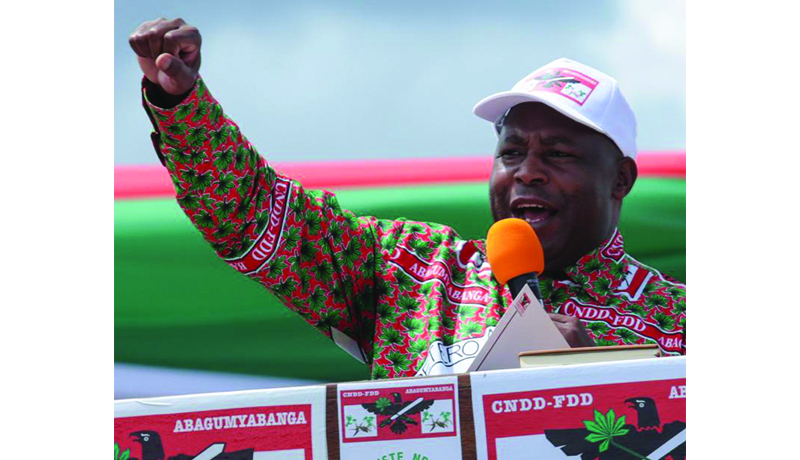
Some families have alleged that the plot distribution process was characterized by widespread favoritism and nepotism. These families claim that individuals considered ineligible were improperly registered on the beneficiary lists, reportedly in exchange for bribes or due to political connections. Such actions, if confirmed, would directly undermine the stated goal of assisting the most vulnerable. Local sources further indicate that young people affiliated with the ruling party, the CNDD-FDD, specifically the Imbonerakure, are allegedly involved in the distribution process. Their purported involvement, according to residents, has further fueled suspicions regarding the impartiality of the land allocation. These allegations raise serious concerns about the fairness and transparency of land allocation intended for vulnerable families in the Rugombo zone, potentially denying legitimate beneficiaries their rightful access to land.
Context of Batwa Marginalization
The Batwa are an indigenous and marginalized ethnic minority in Burundi, facing significant issues including widespread poverty, systemic discrimination, and severely limited access to essential resources such as land and education. This situation contributes to deep-seated socio-economic challenges within the community, perpetuating a cycle of deprivation. Several Batwa families in regions like Rugombo experience extreme poverty, which has led to children abandoning their schooling at early ages to contribute to household income or due to the inability to afford educational expenses. Additionally, mothers from these families often resort to precarious activities, such as casual labor or begging, to sustain their households, showing the severe economic hardship faced daily. The difficulties faced by the Batwa minority are a long-standing concern in Burundi, with efforts to address their plight often hampered by various societal and structural barriers. The provision of land is seen as a key step towards alleviating some of these challenges.
Official Response and Escalation
Tensions in Rugombo escalated a few days earlier, prompted by protests stemming from the exclusion of specific families from the beneficiary lists. The demonstrations occurred after residents discovered that some eligible households, despite their dire circumstances, had been omitted from the official roster for plot distribution. This development has intensified the concerns of vulnerable families regarding the transparency and fairness of the land allocation process in Cibitoke commune. The residents' actions show the growing dissatisfaction with how the plots, specifically intended for the most vulnerable members of society, are being managed and distributed. The protests served as a clear signal of the community's frustration and their demand for accountability.
Local Authority's Statement
Police intervened to restore calm in the Rugombo area following the protests. The intervention came after residents voiced concerns over alleged irregularities in the distribution of plots intended for vulnerable families, specifically members of the Batwa community. The demonstrations noted growing dissatisfaction with the land allocation process in Cibitoke commune, drawing attention to the urgent need for a transparent and equitable resolution. Authorities have yet to release a full official statement addressing the specific allegations of favoritism, nepotism, and the involvement of political youth groups in the distribution process, leaving many residents awaiting a clear explanation and a commitment to rectify the reported irregularities.