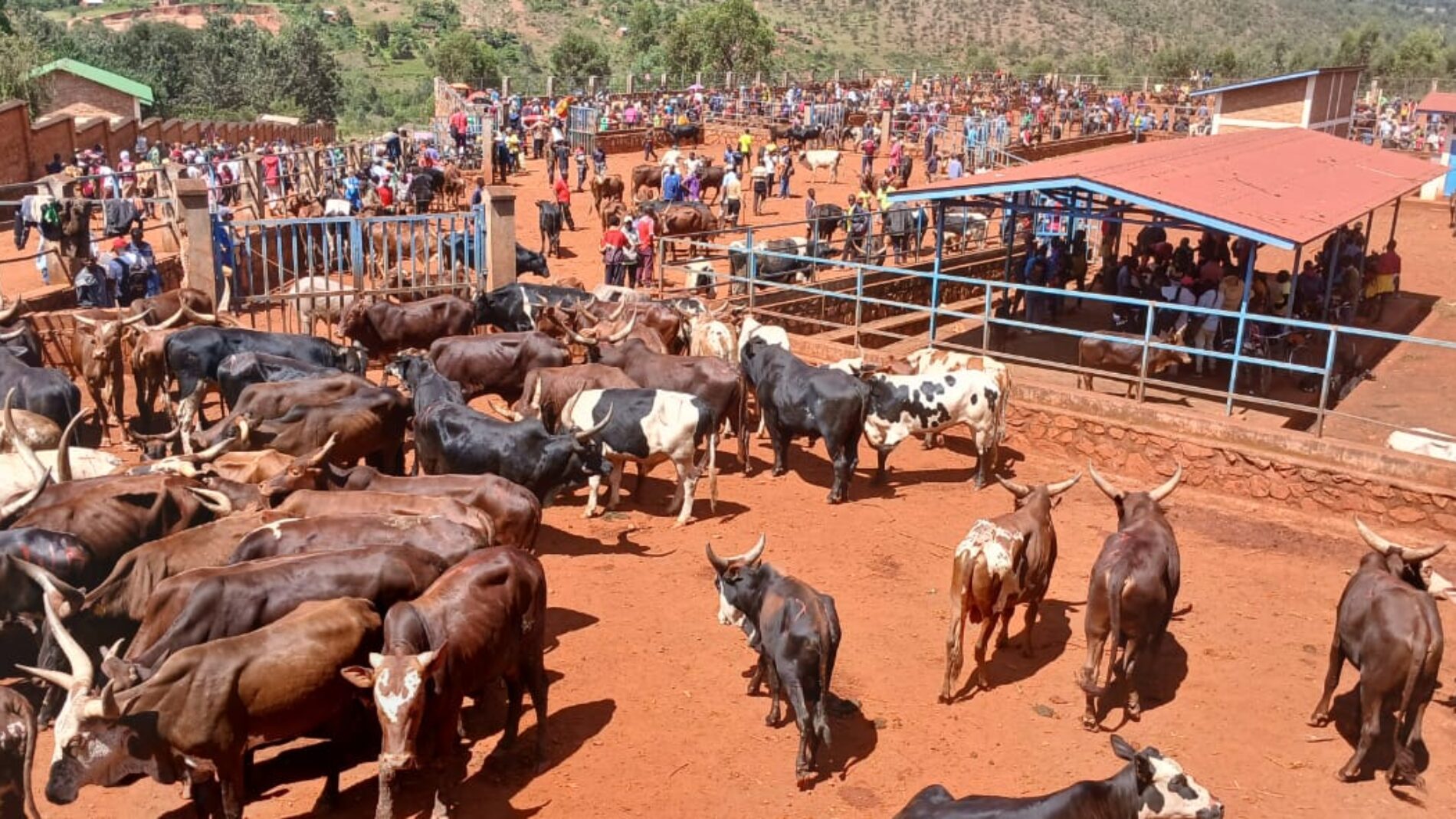
The Rutegama cattle market, a vital hub located in the commune and province of Gitega, precisely in the heart of central Burundi, is currently grappling with a severe and persistent issue of water scarcity. This critical lack of potable water at the market presents not only immediate operational challenges but also significant health risks, raising serious concerns about the potential for widespread disease transmission among both the livestock traded and the human population frequenting the bustling market. The prevailing situation has prompted considerable unease regarding the maintenance of adequate hygiene standards and the overall well-being of the numerous individuals who visit, work, and conduct business within the market premises. The absence of a reliable water supply has broad implications, affecting sanitation, public health, and the economic viability of operations at this important regional market.
Hygiene Crisis and Operational Disruptions
The profound lack of water at the Rutegama cattle market is severely complicating fundamental hygiene practices and disrupting daily activities for a wide array of stakeholders, including vendors, restaurateurs, and visitors alike. This acute scarcity has rendered the market's constructed toilet facilities entirely non-functional, thereby eliminating a key component of public sanitation infrastructure. Consequently, users are compelled to seek alternative and often unsanitary locations for their needs. Many individuals, facing no other viable option, resort to open defecation in neighboring bushes, according to direct observations made within the vicinity of the market area. This practice not only shows the severity of the water shortage but also creates an environment ripe for the proliferation of pathogens. The overall situation poses serious health risks and can readily lead to the spread of various diseases, impacting both the human population and the livestock present at the market, which is a significant concern for public health authorities and market users. The inability to maintain basic cleanliness standards also impacts the general appeal and functionality of the market as a commercial center.
Financial Strain on Businesses
The widespread water scarcity at Rutegama cattle market imposes significant and often unexpected financial burdens on local businesses operating within its confines. Restaurateur Liduine Ndayisenga, for instance, articulates the daily struggle, requiring at least six 20-liter jerrycans of water daily to sustain her operations. Each of these jerrycans must be purchased at a cost of 500 Burundian francs from a neighboring household, representing a substantial recurring expense. Ndayisenga further elaborated on the pressures, stating, "Many people come to ask for water, but we cannot always satisfy everyone depending on the quantities available," noting the broader impact on customer service and community relations. Beyond these daily out-of-pocket expenses, restaurateurs also face annual fees amounting to 10,000 Burundian francs, coupled with an additional charge of 1,000 Burundian francs every single market day, specifically designated for water access, despite the current lack of a reliable supply. These fixed and variable costs significantly erode profit margins for small business owners.
Another restaurateur, Ange Irakoze, provided further insight into the economic strain, reporting the usage of approximately ten 20-liter jerrycans per day to meet her business demands. Irakoze explained that a 20-liter jerrycan costs 1,000 Burundian francs, a price that includes the cost of transport from its source. This translates into a substantial daily water expenditure of 10,000 Burundian francs for her establishment alone. "A 20-liter jerrycan costs 1,000 francs with transport. I use about ten jerrycans a day, which is 10,000 francs just for water," Irakoze reiterated, emphasizing the significant financial outlay required merely to access this essential resource. These considerable costs directly add to the already challenging operational expenses for businesses that are consistently grappling with the difficult conditions prevalent at the market due to the water shortage. The necessity of purchasing water at inflated prices from private sources, coupled with official fees for an unavailable service, creates an unsustainable economic model for many.
Cattle traders, who form the core of the market's activity, also incur specific fees to operate within the market premises. They are required to pay 20,000 Burundian francs for each cow brought into the market for sale, a significant sum that impacts their overall profitability. For smaller livestock, such as goats or sheep, the entry fee is 5,000 Burundian francs per animal. These cumulative expenses, encompassing both the direct costs of water and the various operational fees, directly affect the profitability, competitiveness, and long-term sustainability of businesses operating at the Rutegama market. This situation shows the broader and multifaceted economic impact of the persistent water shortage, which extends beyond mere inconvenience to fundamentally alter the financial landscape for market participants.
Official Acknowledgment and Proposed Solutions
The Rutegama cattle market is experiencing a serious and widely acknowledged shortage of potable water, a critical issue that has drawn official attention. Dr. Jacques Nduwimana, the administrator of the Gitega commune, has publicly acknowledged the severity of the problem and stated that concrete interventions are planned to address the pressing issue in the near future. Nduwimana indicated that an official request will be promptly submitted to REGIDESO, the national water and electricity utility, which is responsible for public utility services. The purpose of this request is to connect the Rutegama cattle market to the existing potable water network, thereby ensuring a reliable and sustainable supply. This proposed measure aims to provide a long-term and sustainable solution to the market's chronic water scarcity, which is essential for improving public health, sanitation, and the economic viability of the market for all its users. The successful implementation of this connection would alleviate the financial burdens on businesses and significantly enhance the hygiene conditions at the market.