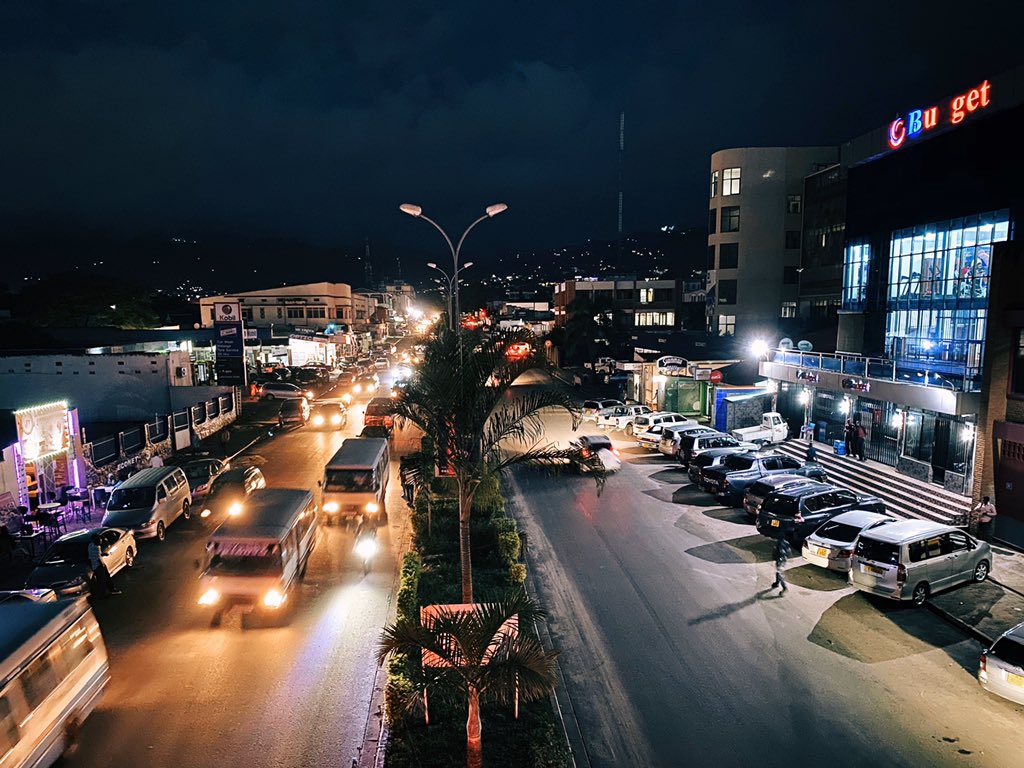
In Bujumbura, improved public lighting in several districts of the economic capital has enabled merchants, restaurateurs, and other economic actors to continue their activities under enhanced conditions. The lit streets allow these economic actors to operate under better circumstances, fostering a more dynamic urban environment after sunset. This street illumination is fostering nighttime commerce and social engagement, transforming previously quiet areas into bustling hubs. However, the current situation limits the development of certain nighttime activities in other areas and raises security concerns where lighting remains inadequate, creating a stark contrast within the city.
Economic Boost from Bright Streets
Public lighting provides a significant opportunity to increase revenues generated during the evening hours. This assessment was based on testimonies collected on June 10, 2026, from various individuals involved in the nighttime economy. The enhanced illumination allows businesses to extend their operating hours, attracting more customers and stimulating economic activity after sunset. Traders and vendors can conduct transactions in safer, better-lit environments, which encourages greater participation in the nighttime economy. The extended operational capacity directly contributes to higher turnover for local establishments, ranging from street food vendors to larger retail outlets. This increased revenue potential is a strong incentive for businesses to remain open later, thereby contributing more significantly to the local economy. The presence of effective lighting infrastructure also fosters a sense of security, which is key for encouraging both business owners and consumers to engage in evening commerce, knowing they are in a well-monitored environment.
Safety and Social Engagement
Beyond its role in road traffic, public lighting facilitates the growth of economic and social activities occurring after nightfall. This infrastructure supports community engagement and commerce during evening hours, allowing residents to enjoy public spaces and services for longer periods. Well-lit areas encourage people to gather, socialize, and participate in cultural events, fostering a stronger sense of community. The improved visibility significantly reduces the risk of accidents and deters criminal activities, making public spaces more inviting and accessible after dark. All interviewed stakeholders expressed a desire for authorities to strengthen existing infrastructure, aiming to ensure regular and effective lighting across all districts of the economic capital. They emphasized the importance of consistent illumination for both safety and the sustained development of nighttime activities, noting its dual benefit for security and economic prosperity.
Challenges of Uneven Lighting
Despite the noted advantages of improved public lighting in some areas, several districts of Bujumbura continue to suffer from insufficient illumination. This uneven distribution of lighting creates disparities in safety and economic opportunities across the city. Areas with inadequate lighting often experience challenges related to security, which can deter social gatherings and limit the operational hours for local businesses. The lack of proper lighting in these underserved areas directly impacts the livelihoods of merchants and the daily lives of residents, who may feel unsafe venturing out after dark. The inconsistent availability of effective streetlights means that residents in these underserved districts do not benefit from the extended commercial activity and enhanced public safety seen elsewhere in the economic capital. Such conditions can hinder the overall development of a vibrant nighttime economy for all of Bujumbura, creating pockets of stagnation amidst progress.
Stakeholder Calls for Improvement
Kiosks, restaurants, and shops situated along well-lit routes in Bujumbura continue to serve customers late into the evening. This sustained economic activity notes the direct impact of reliable public lighting on local businesses. The ability for these establishments to operate beyond daylight hours contributes significantly to the city's nighttime economy, supporting livelihoods and providing services to residents and visitors alike. Extended operating hours allow for increased trade and social engagement, fostering a more vibrant urban environment. The consistent illumination in these areas ensures both visibility and a perception of safety, which are key factors for encouraging extended patronage and business operations after nightfall. The calls from stakeholders for full and consistent lighting across all districts show the widespread recognition of public lighting's transformative potential for Bujumbura's economic and social landscape.