Burundi's government has announced ambitious plans to significantly strengthen its education sector, including the recruitment of approximately 5,000 new teachers for the 2026-2027 school year. This full initiative is coupled with the extensive distribution of over 44,000 desks to schools across the nation. These measures show a concerted effort to address long-standing challenges in providing quality education and adequate learning environments for Burundian students. The Minister of National Education and Scientific Research held a press conference on Friday in Bujumbura to detail these vital measures, outlining the scope and objectives of the government's investment in human capital and educational infrastructure. The announcements were made public in an article published on July 18, 2026, providing further details on the planned reforms and investments.
Ambitious Furniture and Teacher Drive
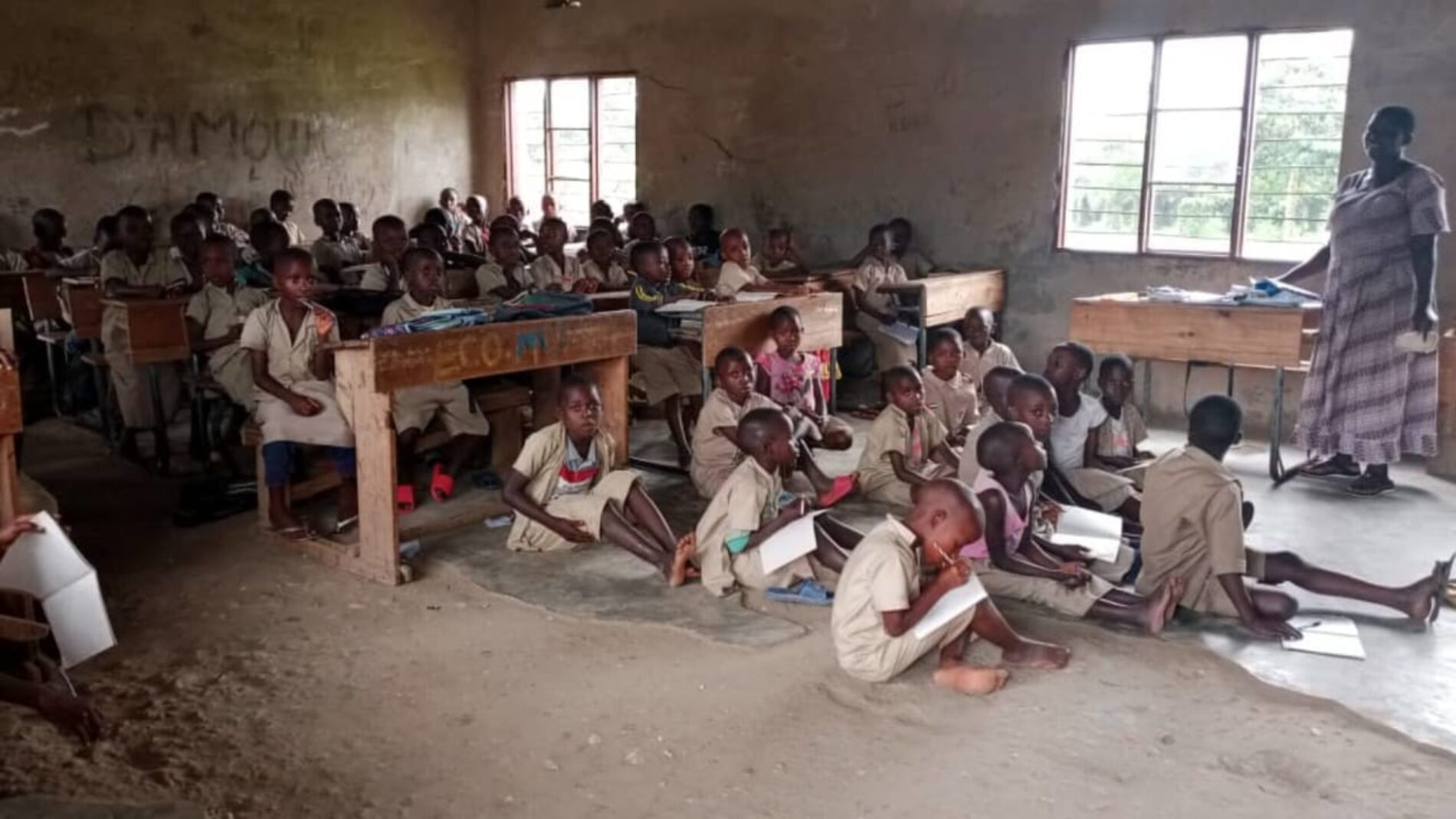
At the heart of the infrastructure improvements is Burundi's 'Zero child without a seat' program, for which a substantial 18 billion Burundian francs (FBu) has been mobilized. This significant financial commitment notes the government's dedication to ensuring that every student has a proper place to sit and learn, directly tackling a critical barrier to effective schooling. The program's goal is to ensure adequate seating for students across all educational institutions, thereby improving learning conditions and student engagement.
Parallel to the furniture initiative, the government is making considerable strides in expanding its teaching workforce. Through a rigorous process of competitive examinations, 1,964 teachers have already been recruited, marking a substantial increase in recruitment efforts. This figure represents a significant acceleration compared to past practices, where the annual recruitment of teachers often fell below 700. The planned recruitment of 5,000 new teachers for the 2026-2027 school year demonstrates a forward-looking strategy to further bolster the educational staff and address teacher shortages across the country.
The full desk distribution initiative has seen a combined effort from various funding sources, demonstrating a collaborative approach to national development. The state's general budget played a key role, financing the manufacture of 25,499 desks, a substantial contribution to the overall supply. Additionally, communal budgets were instrumental, contributing to the production of 31,233 desks, further expanding the availability of seating in schools at the local level. Technical and financial partners also played a vital role, supporting the manufacture of 16,369 desks, showing the importance of international cooperation in achieving these educational goals. In total, over 44,000 desks have already been successfully distributed to schools, directly benefiting thousands of students by providing them with essential learning infrastructure. This multi-faceted funding model has been key in the successful implementation of the 'Zero child without a seat' program, ensuring widespread access to proper seating for students.
Persistent Quality and Recruitment Issues
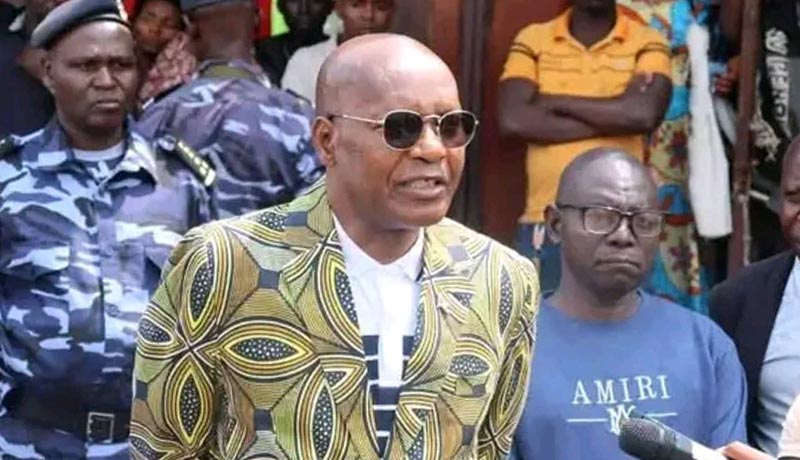
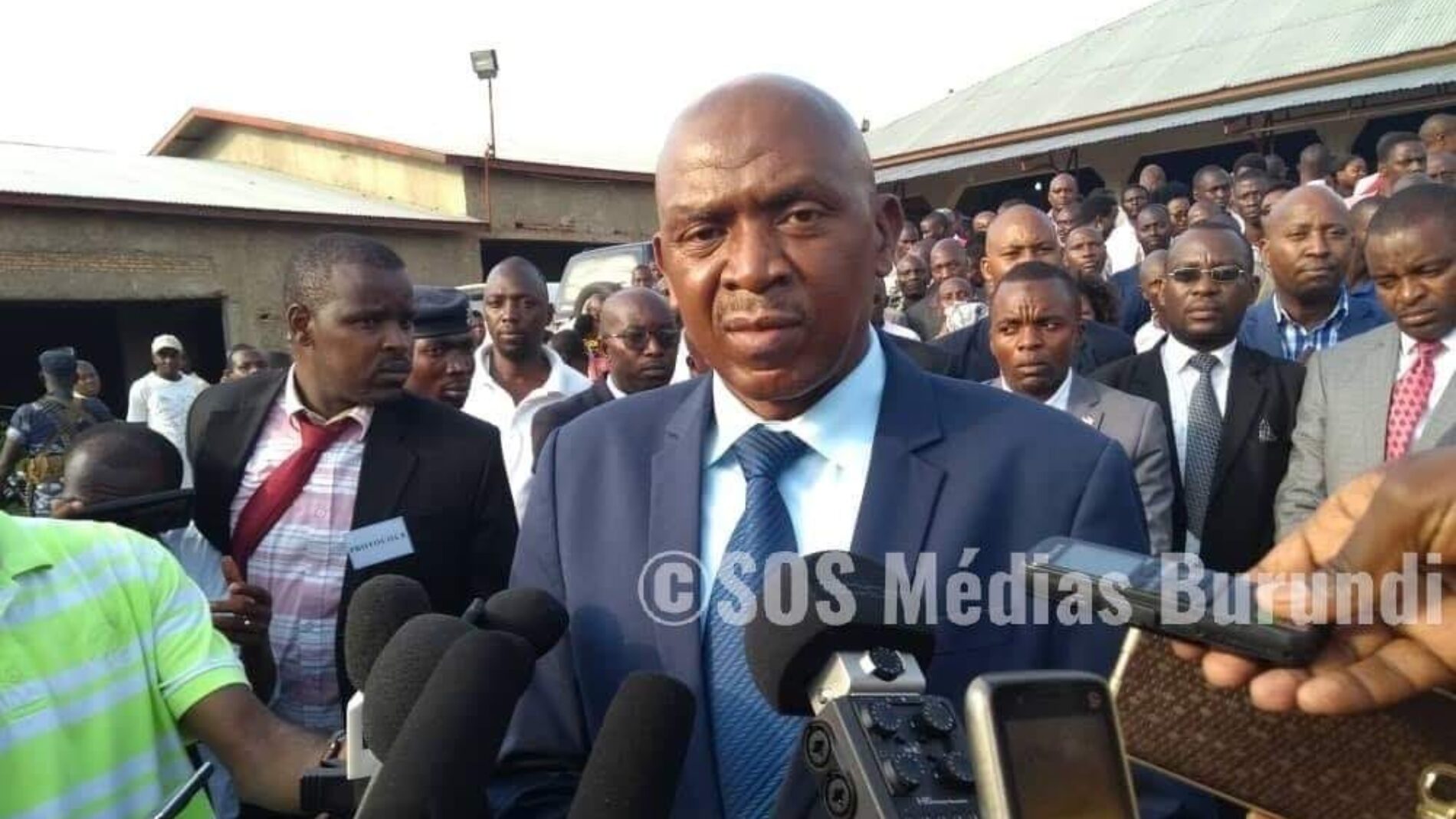
Despite these commendable efforts, challenges persist, particularly concerning the quality of some newly manufactured desks. The Minister of National Education and Scientific Research, François Havyarimana, openly acknowledged these issues. According to Havyarimana, certain desks produced did not meet the required technical specifications, raising concerns about durability and suitability for long-term use in classrooms. This admission shows the need for stringent quality control measures as the country continues its efforts to provide adequate and reliable seating for students across its schools. Ensuring the longevity and functionality of these educational resources is critical to the program's overall success.
Challenges also persist in teacher recruitment processes at the local level, posing potential obstacles to the government's broader objectives. Reports indicate that some communal education directors have shown reluctance to fully implement and apply merit-based recruitment procedures for new teachers. This resistance could undermine the integrity and effectiveness of the competitive examination system designed to ensure that the most qualified candidates are selected. Such practices could hinder the government's broader efforts to improve the quality and expand the teaching workforce through a fair and transparent selection process, potentially impacting the overall standard of education provided.
A significant gap has emerged in teacher staffing due to administrative changes. Teachers who have been appointed to administrative functions as a result of decentralization policies have not always been replaced promptly in their teaching roles. This creates critical vacancies in classrooms, leading to disruptions in instruction and increased workloads for remaining teachers. The delay in filling these positions can impact the continuity of learning for students and potentially compromise educational outcomes. This administrative oversight adds another layer of complexity to the ongoing efforts to strengthen Burundi's education sector, noting the need for more efficient and timely replacement mechanisms to ensure that classrooms remain adequately staffed.
Broader University Infrastructure Plans
Beyond primary and secondary education, new university infrastructure projects are also underway, signaling a full approach to educational development at all levels. These significant plans encompass the construction of additional classrooms at the University of Burundi, which will enhance learning capacity and accommodate a growing student population. The initiatives include the vital rehabilitation of the Kiriri campus, a key site for higher education, to modernize its facilities and create a more conducive academic environment.
The broader development efforts also extend to improving student welfare, with the renovation of university residences and restaurants planned. These upgrades aim to provide better living conditions and essential services for students, positively impacting their overall university experience. Additionally, new university buildings are slated for construction in Musenyi and Makamba, expanding access to higher education in different regions of the country. These infrastructure developments are integral to the broader educational development efforts, reflecting a commitment to fostering a strong and accessible higher education system in Burundi.