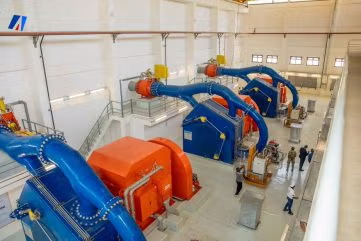
Burundi officially inaugurated the 17MW Mulembwe Hydropower Plant on Tuesday, June 16, 2026, adding significant capacity to the nation's electricity grid. The new plant, located in Burundi, represents a substantial boost to the country's installed electricity generation capabilities. Its completion follows a nearly 12-year development and construction period, marking a key milestone for energy infrastructure in the region. The inauguration ceremony formalized the plant's operational status, contributing to Burundi's power supply. This key addition of 17 megawatts is set to enhance the reliability and availability of electricity across the country. The successful completion and commissioning of the Mulembwe Hydropower Plant highlight Burundi's commitment to developing its domestic energy resources and fostering sustainable growth.
Project Development and Employment
The construction phase of the Mulembwe Hydropower Plant engaged an average of approximately 1,000 workers. Of these, about 80% were recruited from local communities, contributing significantly to regional employment during the project's development. This emphasis on local hiring not only provided immediate economic benefits but also fostered a sense of community ownership and involvement in the project. Beyond direct job creation, the initiative also incorporated various skills development and training programs for its workforce. These programs aimed to enhance the capabilities of local personnel involved in the plant's construction and future operations, equipping them with valuable expertise in the energy sector. The focus on local employment and training represented a key component of the project's broader impact on the region, ensuring a lasting legacy of improved human capital and economic opportunity. The long-term nature of the project allowed for sustained employment and skill transfer over its nearly 12-year development and construction timeline.
Boosting National Energy Capacity
The Mulembwe Hydropower Plant's commissioning marks a continued expansion of Burundi's energy infrastructure. It follows the inauguration of the Jiji Hydropower Plant a year prior, another significant project aimed at increasing the nation's electricity generation capacity. The successive completion of these plants shows Burundi's efforts to enhance its power supply and reduce reliance on energy imports. These developments are integral to the country's strategy for achieving greater energy independence and supporting economic growth through improved access to reliable electricity. The new capacity from Mulembwe is expected to contribute to stabilizing the national grid and meeting the growing demand for power across various sectors, including residential, commercial, and industrial users. This strategic investment in hydropower is a cornerstone of Burundi's long-term energy security plan, aiming to provide a stable and environmentally friendly power source. The 17MW added by Mulembwe significantly contributes to the overall national installed electricity generation capacity, moving Burundi closer to its energy self-sufficiency goals.
Collaboration and Future Operations
The Mulembwe Hydropower Plant project was a collaborative effort involving several international partners. The World Bank provided significant financial backing, contributing to the plant's development and construction. Additional support came from the African Development Bank, further demonstrating international commitment to Burundi's energy sector. The European Investment Bank also participated in the funding consortium, alongside the European Union. These partnerships were key in bringing the long-term project to fruition, mobilizing the necessary capital and technical expertise. The successful collaboration among these international bodies and the Burundian government was instrumental in overcoming the complexities of a project spanning nearly 12 years. Moving forward, the Burundi Electricity, Water and Gas Company (REGIDESO) will oversee the plant's operations and maintenance, integrating its output into the national grid to serve the country's growing electricity demand. The plant is expected to enhance energy stability across Burundi, providing a reliable power source for years to come and supporting the nation's developmental aspirations.