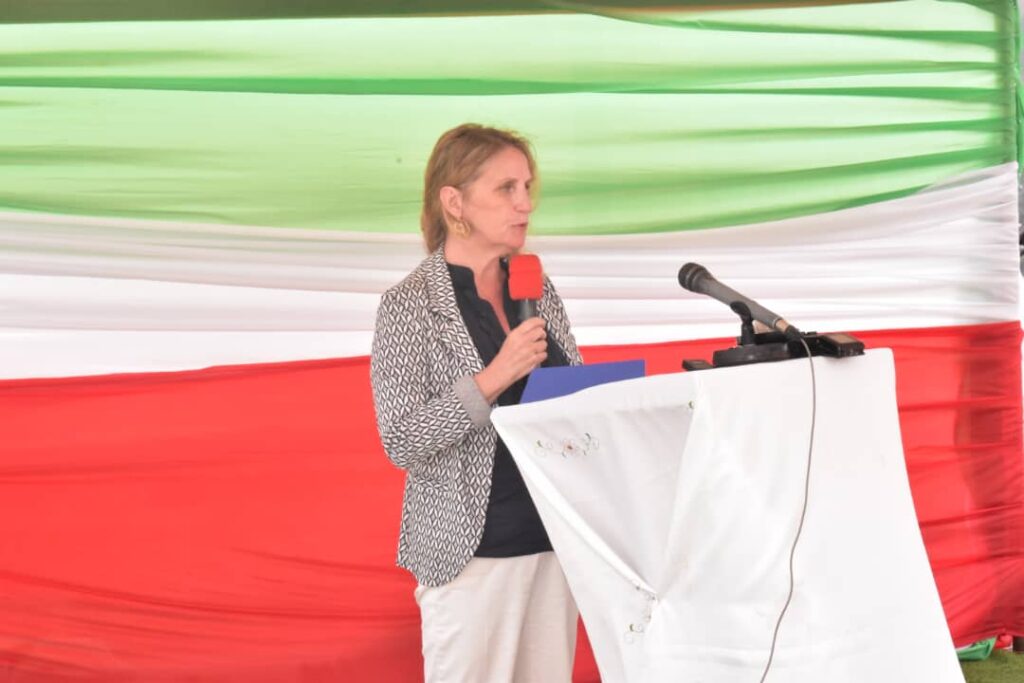
Burundi's Prime Minister, Nestor Ntahontuye, officially inaugurated the Mulembwe hydroelectric power plant, marking a significant step for the nation's energy infrastructure. The inauguration, which took place on Tuesday, June 16, 2026, signals Burundi's commitment to expanding its power generation capacity. The new facility is expected to contribute substantially to the country's electricity supply, supporting various sectors key for national development. This development aligns with broader efforts to bolster industrialization and economic growth within Burundi, providing a foundational element for future progress. The project represents a key investment in renewable energy, aiming to provide a more stable and sustainable power source for communities and businesses across the country.
Project Details and Partners
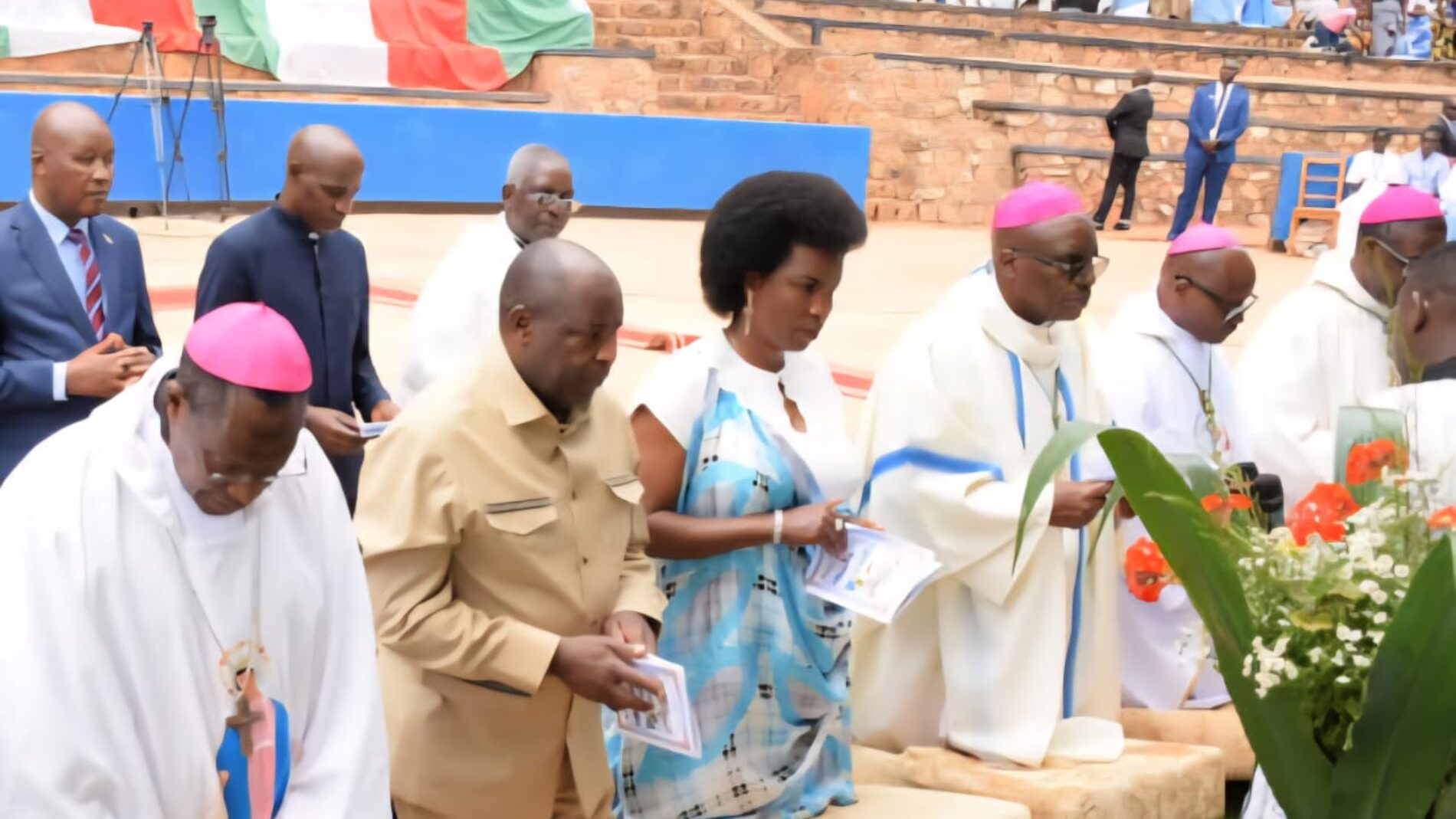
The Mulembwe plant's inauguration followed that of the Jiji plant, both forming part of the larger Jiji-Mulembwe project. The Mulembwe plant was inaugurated second, completing the two-pronged initiative. Both facilities contribute significantly to Burundi's energy grid, collectively enhancing the nation's capacity for power generation and distribution. The ceremonies surrounding these inaugurations saw the attendance of key officials and international partners, showing the collaborative nature of this vital undertaking.
Among the notable attendees, the Minister of Finance, Budget and Digital Economy, Parfait Mboninyibuka, was present at the inauguration events, noting the government's strong commitment to the project. Representatives from international financial institutions and development partners also participated, including the World Bank, the African Development Bank (AfDB), and the European Union (EU). Their presence showed the collaborative effort behind the project's realization and its significance for Burundi's development objectives, demonstrating international confidence and support for Burundi's energy sector. The Jiji-Mulembwe project has also had a tangible impact on local communities, contributing to electrification and improved living conditions by creating nearly 1,000 jobs.
Vision for Development
Prime Minister Nestor Ntahontuye outlined the planned utilization of the new plant's output, emphasizing its broad economic impact. He stated, "the electricity that will be produced will be used in the creation of industries, in the exploitation and processing of minerals as well as for the railway that is being built connecting Burundi, Tanzania and the DRC." This vision paints a picture of a nation leveraging its newfound energy capacity to drive industrialization and enhance regional connectivity. The Prime Minister also noted that "the country has made remarkable progress in terms of electricity, as several dams have been built," positioning the Jiji-Mulembwe project as a continuation of this progress. The project, which includes the new plant, significantly contributed to local electrification and improved living conditions by creating nearly 1,000 jobs within the community, providing direct economic benefits to the local populace. Prime Minister Ntahontuye urged Regideso, the national electricity utility, to distribute the electricity to the population efficiently and widely, emphasizing that "electricity produced without being used would be useless."
Local and International Reactions
The inauguration of the Mulembwe hydroelectric plant occurred on Tuesday, June 16, 2026, a date now marked as a milestone in Burundi's energy development. The governor of Burunga province, Parfait Mboninyibuka, expressed profound gratitude to the project initiators for their efforts in bringing the vital infrastructure to fruition, acknowledging the transformative potential for the region. Governor Mboninyibuka also called upon the local population to ensure the proper care and maintenance of the new plant, emphasizing its importance as a shared heritage and a long-term asset for the community. The facility is expected to play a critical role in enhancing electricity access and driving economic activities in the region, fostering growth and improving the quality of life for residents.
Broader Significance
The Mulembwe hydroelectric plant represents a significant stride in Burundi's national development strategy, aiming to bolster industrialization and enhance energy self-sufficiency. Its operationalization is anticipated to support various economic sectors, including mineral processing and infrastructure projects like the railway connecting Burundi, Tanzania, and the Democratic Republic of Congo. This strategic investment in renewable energy shows Burundi's commitment to sustainable development and its ambition to become a more electrified and industrialized nation, providing a stable energy foundation for future prosperity.