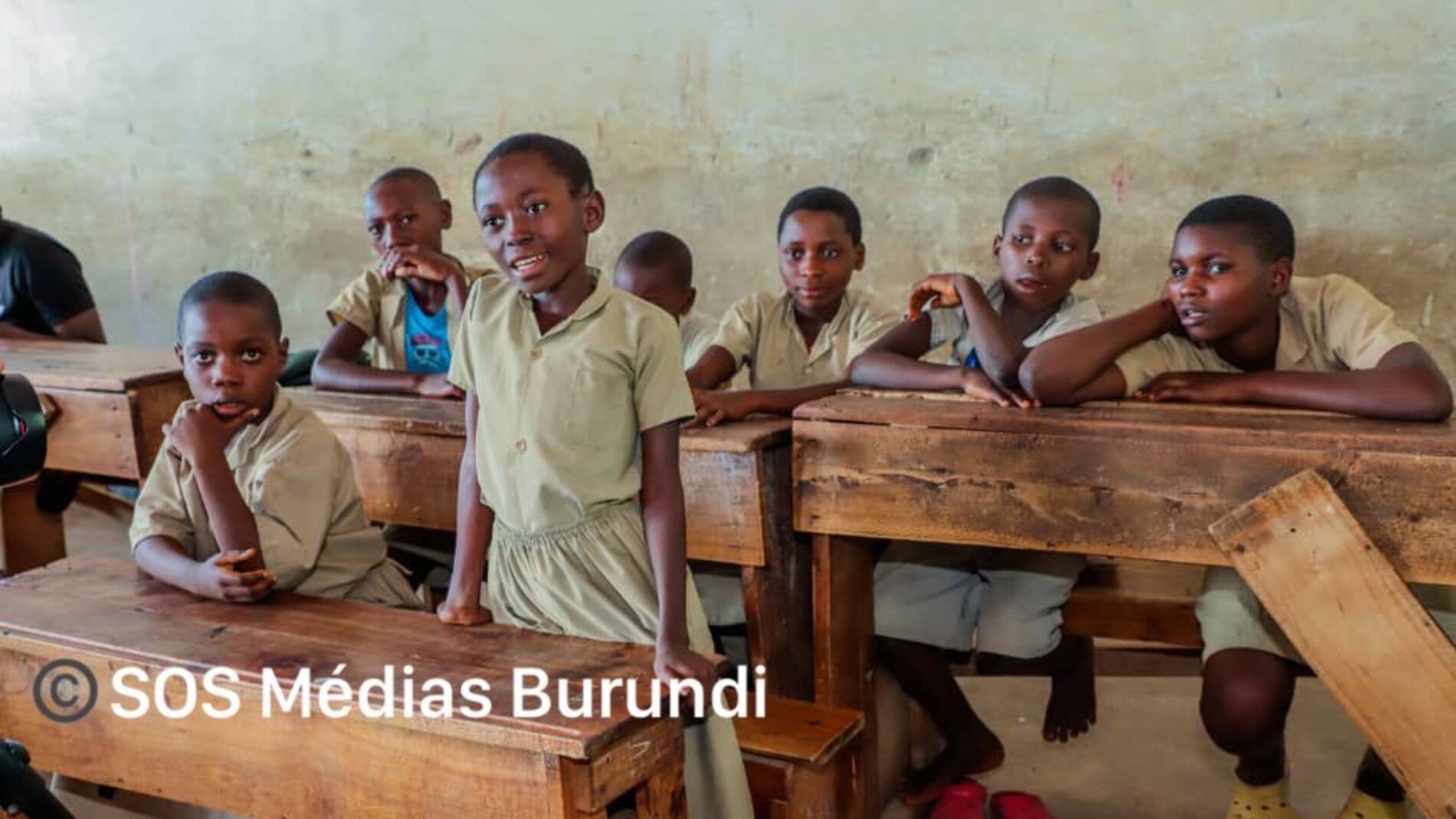
The Burundian government is preparing to launch a new, full reform of its education system, scheduled to begin with the 2026-2027 school year. Prime Minister Nestor Ntahontuye confirmed this strategic direction on Thursday during a public broadcast with journalists, emphasizing the administration's commitment to revitalizing the nation's educational landscape. The reform aims to address declining performance within the East African nation's educational institutions, a challenge that has become increasingly apparent in recent years. This initiative signals a significant effort to enhance the quality and effectiveness of schooling across the country, from primary levels to higher education.
Systemic Challenges Identified
The Ministry of National Education and Scientific Research has observed a concerning decline in students' proficiency in French, a critical language for academic and professional success in Burundi. This decline has become a point of focus for education authorities, prompting a deeper examination of pedagogical approaches and curriculum content. Separately, Libérat Ntibashirakandi, a distinguished lecturer and expert in Information and Communication Technologies (ICT) applied to education, delivered a critical assessment of the national education system. Ntibashirakandi presented his findings at the National Education Conference in 2014, noting systemic issues and performance gaps that have persisted within the educational framework for an extended period. His analysis showed fundamental weaknesses, including outdated curricula, inadequate teacher training, and insufficient resources, which have collectively contributed to the educational challenges. This historical critique shows the long-standing nature of the challenges the reform seeks to address, encompassing both key language skills and broader structural concerns identified by experts and policymakers.
Key Reform Components
The education reform will be introduced gradually across various levels of the schooling system, beginning specifically with grades 7, 8, 9, and 10. This phased implementation strategy is designed to allow for careful monitoring and adjustments as the new curriculum and policies take effect. A new grade 10 class is scheduled for introduction starting in the 2027-2028 school year as part of this careful and carefully planned implementation process. This addition aims to restructure the secondary education pathway, providing students with a more strong and relevant learning experience before they progress to higher education or vocational training.
Additionally, the reform includes decisive plans to reopen boarding schools specifically for 7th-grade pupils who are admitted to elite schools following the highly competitive national entrance exam. This measure is intended to provide a conducive learning environment for high-achieving students, fostering academic excellence and ensuring equitable access to quality education, particularly for those from remote areas. The student dining system at the University of Burundi, a vital support service for tertiary students, is also expected to be reinstated under the new reform framework, addressing a long-standing need and improving student welfare. The reopening of these facilities and the reintroduction of the dining system are seen as key steps in enhancing the overall student experience and supporting academic success at all levels.
Expert and Union Perspectives
The reform's official announcement was made last week by André Nduwimana, Director General in charge of preschool, primary, post-primary, general, and teacher training programs. Nduwimana conveyed the details during an interview with Radio Nderagakura, outlining the government's vision and the practical steps involved in the reform. He stressed the critical importance of educator preparedness for the new curriculum, stating emphatically, "We cannot implement a new curriculum without teachers mastering it and expect to succeed." This notes the government's recognition that teacher training and professional development are central to the reform's success. Teachers’ unions, representing a significant stakeholder group, welcomed the government’s announcement regarding the education reforms. However, union representatives showed the necessity for sufficient support measures to ensure effective implementation and the successful adoption of the new curriculum. They emphasized the need for adequate resources, ongoing training, and improved working conditions for educators to truly bring about the desired transformation in the educational system.