Travelers navigating the route between Burundi and Rwanda, particularly those utilizing the Kobero border crossing, are reporting an alarming increase in reinforced controls, repeated interrogations, and intimidation tactics. These incidents, which have become more frequent and intense in recent weeks, have directly contributed to a significant decrease in the overall movement of people between the two East African nations. The heightened scrutiny at the border is a phenomenon observed by individuals attempting to cross from both sides, indicating a broad application of these new measures.
Intensified Surveillance and Interrogations
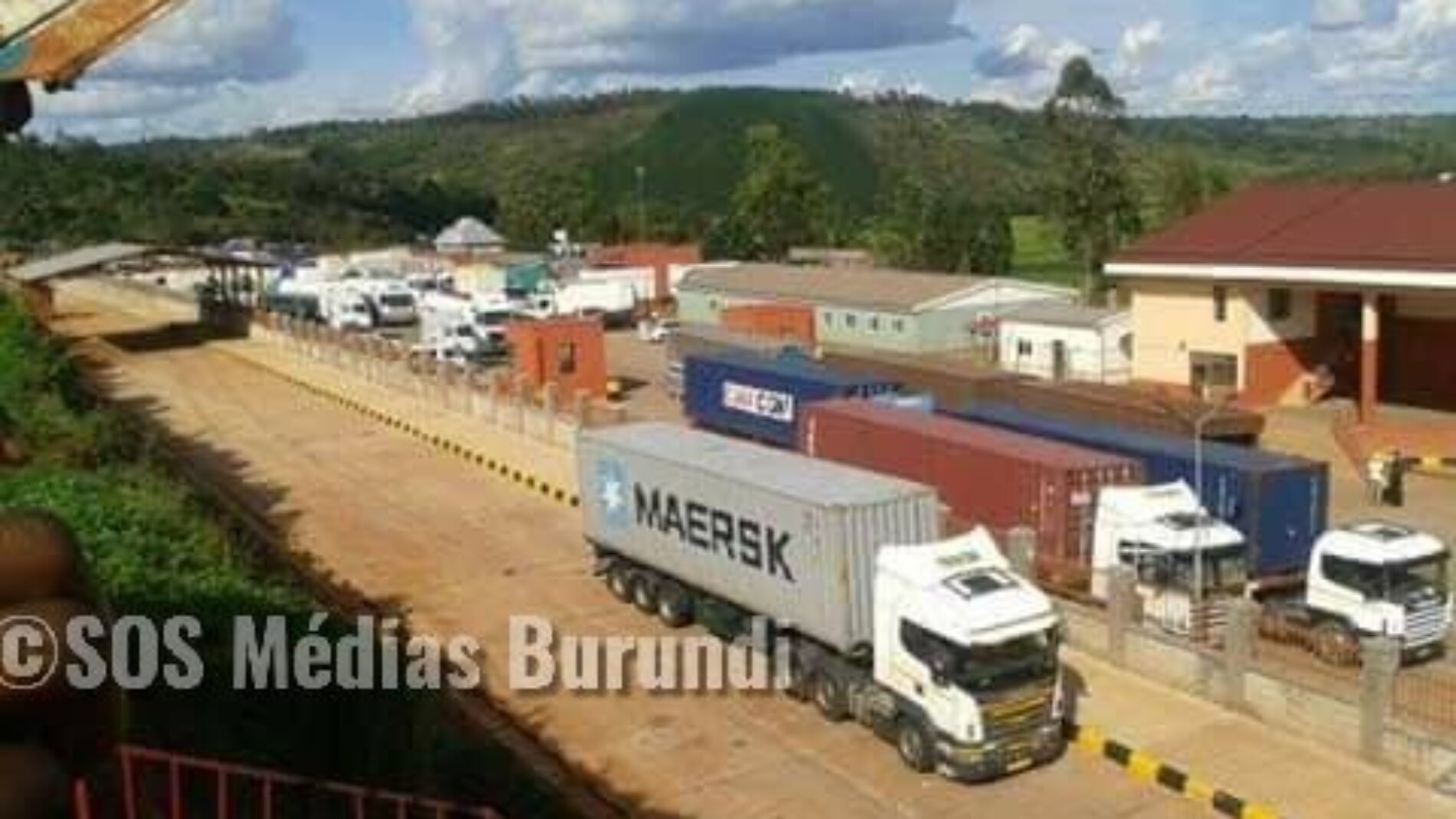
Kobero, a strategically important crossing point located on the border with Tanzania, has become the primary land route for Burundians seeking to travel to Rwanda. This shift occurred following the closure of direct land borders between Burundi and Rwanda in January 2024, forcing travelers to seek alternative routes. The crossing itself is situated within Buhumuza, a province in eastern Burundi that shares a substantial border with Tanzania. Consequently, individuals intending to reach Rwanda from Burundi often find themselves compelled to utilize this route, transiting through Tanzanian territory as an intermediary step.
In this critical border area, surveillance activities have intensified considerably, with a particular focus on individuals whose ultimate destination is Rwanda. Reports indicate that agents from Burundi's National Intelligence Service (SNR) are actively involved in these operations, working alongside members of the Imbonerakure youth league. These groups are reportedly conducting extensive surveillance, with their primary role being to gather intelligence and information on travelers as they approach the border. This intelligence gathering is said to be systematic, aiming to identify and scrutinize those perceived as heading towards Rwanda.
Currency exchangers who operate in the vicinity of the border have provided observations noting a distinct discrepancy in the treatment of travelers. According to these local financial operators, individuals who declare or are suspected of having Rwanda as their destination face notably more extensive questioning and thorough searches compared to those traveling to Tanzania. This differential treatment strongly suggests a specific and targeted focus on cross-border movements toward Rwanda, indicating a deliberate policy of enhanced scrutiny for this particular travel corridor. The increased level of examination and questioning significantly contributes to the challenges and anxieties faced by people attempting to traverse the region, often leading to delays and discomfort.
Further compounding the situation, some travelers have resorted to deceptive tactics to circumvent the heightened scrutiny. These individuals reportedly conceal their actual destination, stating that they are headed for Tanzania when their true intention is to travel to Rwanda. This tactic is employed as a means to avoid the intense questioning, prolonged searches, and potential intimidation that are now commonly associated with travel to Rwanda via the Kobero crossing. The need for such deception shows the prevailing atmosphere of apprehension and the perceived risks associated with openly declaring Rwanda as a destination.
Allegations of Extortion and Bribery
The challenges extend beyond surveillance and interrogations, with significant allegations of extortion and bribery emerging from the transport sector. Transporters who operate routes to Rwanda have reported being compelled to pay substantial sums to continue their operations. There are specific claims of payments reaching up to one million Burundian francs being demanded and paid at the Muyinga police station. These payments are allegedly made under duress to ensure that their vehicles are permitted to proceed across the border and continue their journeys.
Further allegations detail a more systemic pattern of demands. It is claimed that the police chief stationed at the border, along with the provincial National Intelligence Service (SNR) representative in Buhumuza, are directly involved in these alleged schemes. They are reportedly demanding a minimum of 100,000 francs for each vehicle that is identified as traveling towards Rwanda. These alleged demands directly contribute to a significant increase in the operational costs for transporters, making cross-border business more expensive and less predictable.
As a direct consequence of these additional payments and the heightened scrutiny faced by transporters, the cost of a round trip between Burundi's capital, Bujumbura, and Kigali, Rwanda's capital, has reportedly increased dramatically. The price for this journey has now escalated to approximately 600,000 Burundian francs. This figure represents a substantial rise from the previous range of 300,000 to 400,000 francs for the exact same journey, effectively nearly doubling the cost for travelers and goods.
Adding to the pressure on transporters, taxi drivers operating on the Bujumbura-Kigali route have faced serious accusations. They are alleged to be transporting young people who are potentially joining RED-Tabara, an armed group. This group is widely suspected of receiving various forms of support from Kigali. Such accusations, whether substantiated or not, significantly contribute to the already heightened surveillance and pressure exerted on all individuals and entities involved in cross-border transport between the two nations. These allegations create an environment of suspicion that makes legitimate transport operations increasingly difficult.
In direct response to these widespread suspicions, the frequent threats, and the financial burdens, some transporters have taken drastic measures. A number of them have either completely suspended their operations on the Burundi-Rwanda route or have resorted to changing the vehicles they use, presumably to avoid identification or scrutiny. This widespread disruption in transport services is a clear indicator of the severity of the challenges and the significant risks perceived by those involved in commercial transport between Burundi and Rwanda, impacting both economic activity and individual mobility.
Disappearances and Traveler Fear
The atmosphere of apprehension among travelers has been further exacerbated by recent disappearances, which have deepened fears among those who must cross the border. Concerns among travelers have been exacerbated by these troubling incidents.
Two merchants, Jean Bosco Nshimirimana and Hermès Rukerandanga, both hailing from Butanyerera province, have been reported missing since August 12. The circumstances surrounding their disappearances have only added to the prevailing anxiety. Mr. Nshimirimana was specifically returning from Rwanda when he vanished, making his case directly relevant to the current border tensions. Mr. Rukerandanga, on the other hand, had traveled to Dar-es-Salaam, Tanzania, to retrieve his vehicle shortly before his disappearance, indicating that individuals transiting through Tanzania are also not immune to such risks.
The families of both Mr. Nshimirimana and Mr. Rukerandanga have undertaken extensive searches, visiting various detention centers within Bujumbura in a desperate attempt to locate their loved ones. Despite their diligent efforts, these searches have thus far been unsuccessful, yielding no information regarding the whereabouts of the two men. The persistent lack of information and the inability to ascertain their fate have significantly contributed to an atmosphere of profound apprehension and uncertainty among individuals who regularly cross the border or have family members who do. This situation shows the human cost of the deteriorating relations and increased controls at the Burundi-Rwanda frontier.