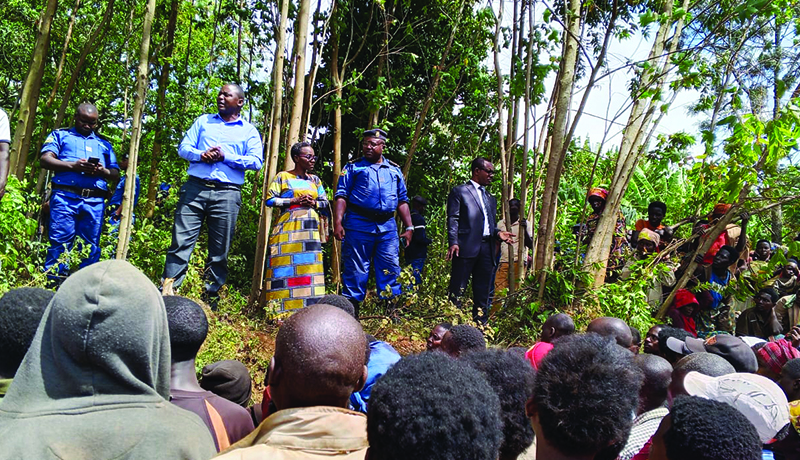
Residents in Burundi's Burunga and Bujumbura provinces are denouncing the occupation of their lands for illegal mining operations, according to a report published on June 9, 2026. These communities are raising serious concerns about the legality and ethics of these activities. Local communities allege that military presence is being used to intimidate landowners and suppress any dissent regarding these activities. This reported intimidation tactic is creating an environment of fear and preventing affected individuals from voicing their grievances. The accusations suggest a coordinated effort to facilitate unauthorized mining on expropriated properties, raising questions about accountability and governance. The report notes a pattern of land occupation and resource exploitation without due process or respect for local populations' rights.
Landowners Denounce Military Presence and Lack of Due Process
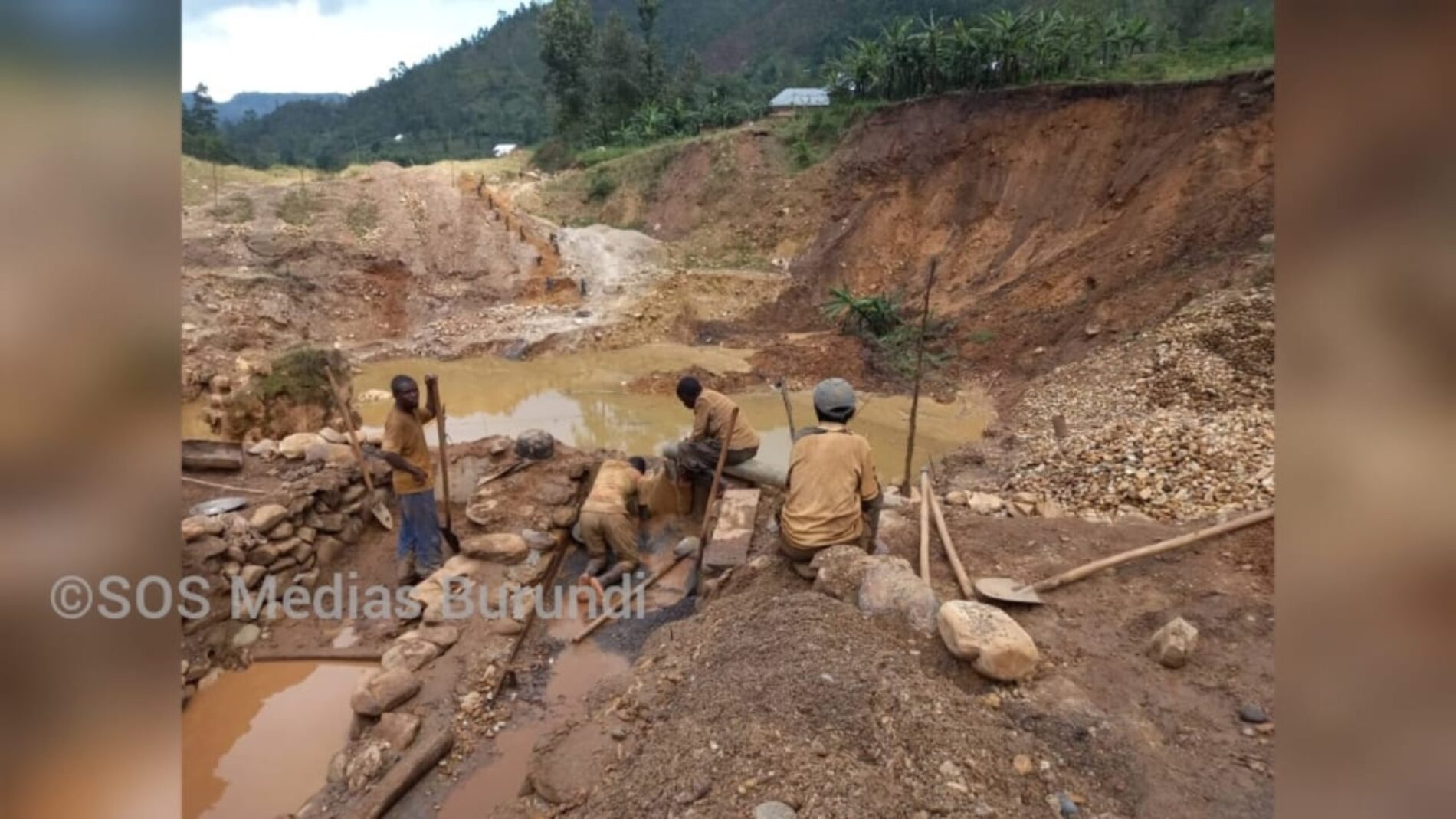
Burundian soldiers are allegedly protecting sites where gold and iron are extracted. This military presence is a key point of contention for local residents. Gold mining operations have been identified in several locations, including Burambi and Maramvya within Rumonge commune, Matana commune, and on Ruteme hill in the Bugarama zone of Muhuta commune. These specific locations show the widespread nature of the alleged illicit activities across different regions. Additionally, a mineral processing site has been operating discreetly for more than two years on Mutambara hill, also located in Rumonge commune. The prolonged and clandestine operation of this processing site further suggests a deliberate attempt to avoid official scrutiny. These activities are occurring on lands that residents claim have been expropriated without proper legal procedures. The presence of military personnel at these sites has raised significant concerns among local landowners, who view it as a direct impediment to their ability to reclaim or protect their property. The alleged involvement of the military in securing these sites directly fuels accusations of complicity in illegal resource extraction.
Operations Outside Legal Framework and Official Knowledge
These mining operations are reportedly conducted without prior consultation or compensation for the affected landowners. This lack of engagement with the local population is a major point of grievance, as it deprives them of their rights and potential benefits from resource extraction on their land. Exploitations are allegedly carried out outside established legal procedures, lacking authorization from the Burundi Office of Mines and Quarries (OBM). This indicates a clear deviation from regulatory requirements governing mineral extraction within the country, noting a systemic failure in oversight. The absence of proper permitting from the OBM suggests that these operations are not only illegal but also contribute to an unregulated mining sector.
Iron ore extraction operations are reportedly underway in the Butare zone, which is located in Makamba commune. This specific activity further illustrates the scope of the alleged unauthorized mining, extending to different types of minerals and geographical areas. Sources close to the Ministry of Energy and Mines claim that these activities are unknown to the competent services responsible for overseeing the mining sector. This suggests a potential lack of transparency and oversight regarding these operations, or perhaps a deliberate avoidance of official record-keeping. The absence of official knowledge from relevant ministries raises serious questions about accountability for the reported activities and the integrity of the regulatory framework. The nature of these operations, spanning various locations and involving different minerals, points to a pattern of activities that circumvent standard legal and administrative processes, raising concerns about environmental impact and economic exploitation.
Official Silence and Unanswered Questions Regarding Military Involvement
Général Prime Niyongabo, head of the General Staff of the Burundian National Defence Force (FDNB), has been observed near the sites associated with the alleged illegal mining activities. His presence, as a high-ranking military official, has prompted further questions regarding the military's involvement with these operations and the chain of command that might be aware of or sanctioning them. Observers suggest that such proximity from a senior military figure lends credence to the claims of military protection for these sites.
Attempts by SOS Médias Burundi to obtain official statements from relevant government bodies have been unsuccessful. Neither the Ministry of Energy and Mines, the Office burundais des mines et carrières (OBM), nor the FDNB General Staff provided reactions to the allegations when contacted. This consistent lack of response from key governmental and military institutions leaves many questions regarding the official stance on the reported activities unanswered and fuels public suspicion. The refusal to comment by these entities only deepens the mystery surrounding the operations and the alleged role of the military.
Local administrative authorities are also accused of maintaining silence regarding the ongoing operations. Their alleged inaction has further complicated efforts to clarify the legal status of the mining activities and the expropriation of lands, leaving local communities without recourse. The absence of official comment from these various government and military entities contributes significantly to the uncertainty surrounding the reported mining operations and the role of military personnel in facilitating them. This collective silence from official channels shows the challenge in obtaining transparency and accountability for the alleged illegal activities.