Residents in the urban center of Kirundo have reported observing unusual military movements in several neighborhoods, with sightings consistently beginning at 5 PM for nearly two months. These observations, which have occurred daily since the pattern began, have generated significant apprehension among the local population, who remain largely in the dark about the purpose of these activities. The consistent timing of these movements, starting precisely at 5 PM each evening, has become a source of daily concern for the inhabitants of Kirundo, fostering an atmosphere of uncertainty and unease.
Local authorities have not yet issued any official communication regarding these measures. This silence extends to clarifying the exact role of these groups in ongoing security operations, leaving residents without official explanations for the heightened military presence. The absence of any formal statement from administrative, police, or military authorities regarding the unusual movements observed across Butanyerera province has only deepened public anxiety. This lack of transparency from official channels means that the community is left to speculate on the reasons behind the increased military activity, further contributing to the prevailing sense of apprehension.
Unusual Military Presence Observed
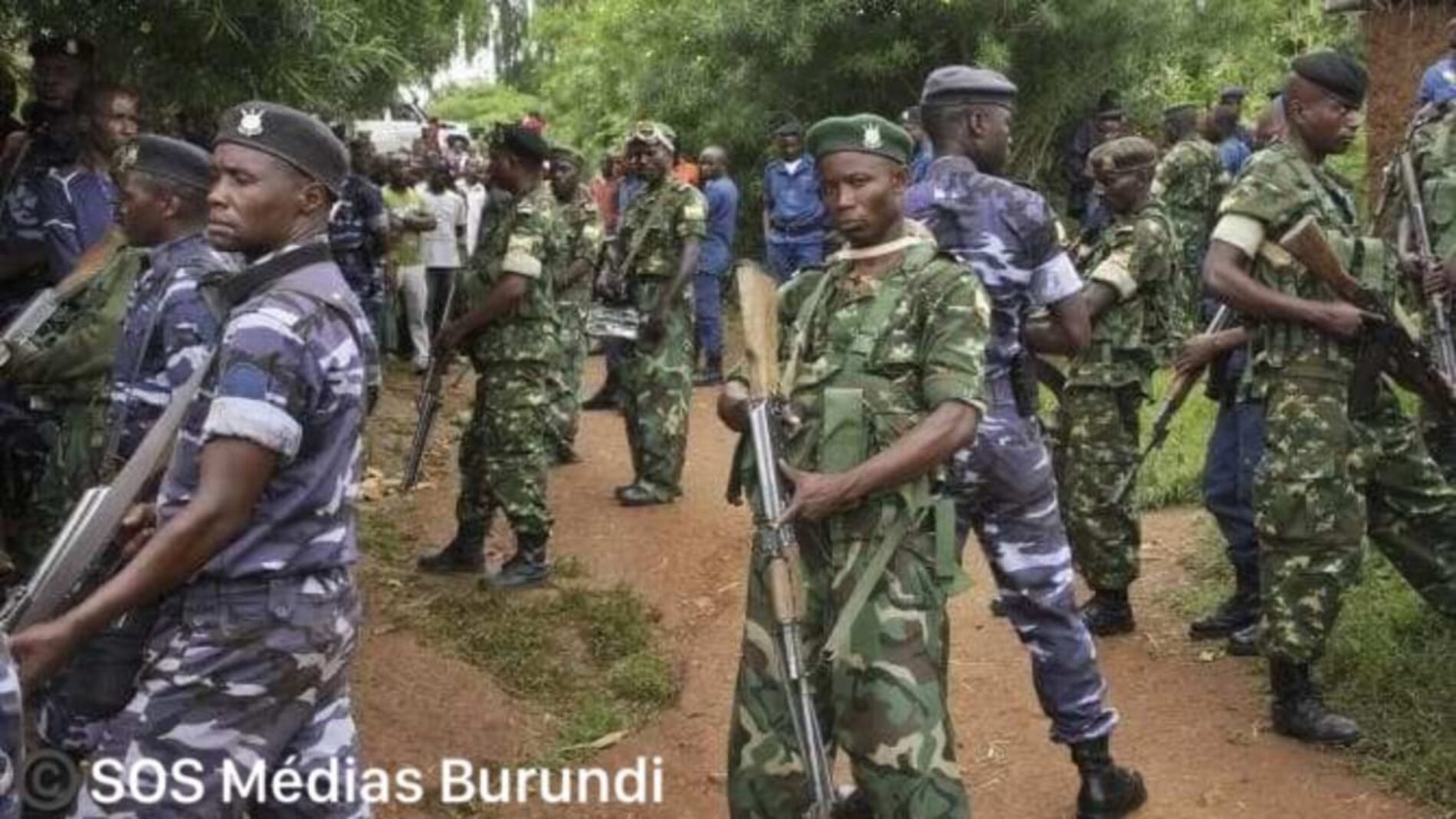
Soldiers observed in Kirundo have been noted to march silently, maintaining their gaze fixed forward, according to local reports. This disciplined yet uncommunicative demeanor adds to the mysterious nature of their presence. Many of these individuals are reportedly wearing plastic boots, an unusual choice of footwear for Burundian soldiers, which has also been a point of curious observation among residents. The groups seen include youth affiliated with the ruling CNDD-FDD party, specifically members of its youth league, Imbonerakure. Their visible involvement alongside military personnel is a development that has drawn particular attention.
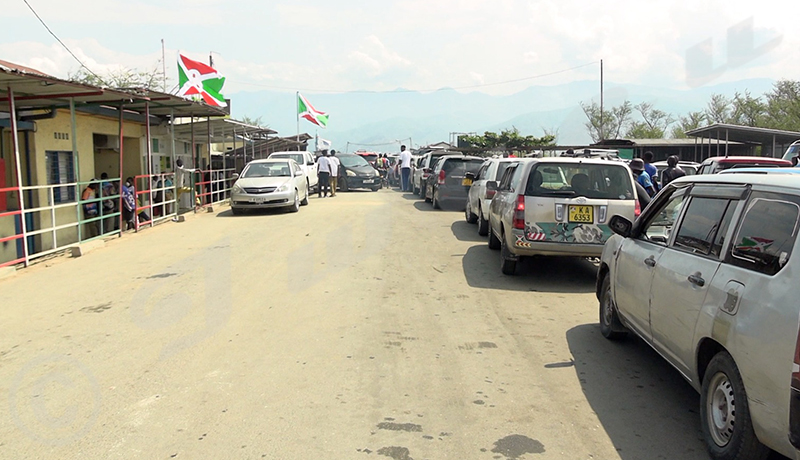
A notable presence of heavily armed soldiers has also been observed near the borders separating Burundi and Rwanda. This heightened military activity follows recent redeployments of Burundian soldiers in parts of South Kivu, a region in the neighboring Democratic Republic of Congo. These redeployments were undertaken to combat various armed groups operating in the region, indicating a broader strategic objective behind the military's movements. The concentration of heavily armed forces in border areas suggests a focus on national security and regional stability, particularly given the historical context of cross-border tensions.
Regional Tensions and Historical Context
Burundi and Rwanda have maintained strained relations for several years, a situation exacerbated since the 2015 Burundian crisis. This long-standing tension escalated further in January 2024 when Burundi closed its land border with Rwanda. At the time, Gitega accused Kigali of providing support to armed groups deemed hostile to the Burundian government, a serious allegation that significantly worsened diplomatic ties. Among the military groups observed in Kirundo, some individuals speaking Kinyarwanda have been identified as fighters who recently returned from the eastern Democratic Republic of Congo. These individuals were reportedly alongside Burundian forces engaged in operations against the M23 rebel group, suggesting a direct link between the ongoing regional conflicts and the current military presence in Kirundo.
Burundi deployed several thousand soldiers to the Democratic Republic of Congo between August 2022 and December 2025. These forces were sent to support the FARDC, the Congolese army, and various Wazalendo groups in their fight against the M23. The M23, a predominantly Tutsi rebellion, maintains control over several strategic areas in both North Kivu and South Kivu regions of the Democratic Republic of Congo, making it a significant player in the ongoing regional instability. The involvement of Burundian forces in this conflict notes the interconnectedness of security challenges across the Great Lakes region. The return of these fighters, particularly those speaking Kinyarwanda, to Burundian territory and their integration into local security operations in Kirundo raises questions about the long-term implications for border security and regional dynamics.
Resident Fears and Official Silence
Security reinforcement measures in several Kirundo localities now prohibit motorcyclist movements from 8 PM, a clear indication of tightening security protocols. Despite these actions, administrative, police, and military authorities have issued no official statement to explain the unusual movements observed across Butanyerera province. This persistent lack of communication has contributed significantly to local apprehension, as residents are left without clear guidance or reassurance from those in charge of public safety. The silence from official channels creates a vacuum that is often filled with rumors and speculation, further unsettling the community.
Reports indicate that members of the Imbonerakure, the youth league of the ruling CNDD-FDD party, are actively participating in border security alongside the army. Their involvement extends to organized night patrols with elements of the National Police of Burundi (PNB). This collaboration between a political youth wing and official security forces is a point of concern for some residents, raising questions about the demilitarization of the youth league and the professional boundaries of security operations. The Imbonerakure's visible role in these security measures is particularly noteworthy given their historical reputation and perceived political allegiances.
Historically, tensions between Burundi and Rwanda have seen political figures seek refuge across borders. A notable instance occurred in May 2015, when several opponents and military personnel involved in a coup attempt, including General Godefroid Niyombare, took refuge in Rwanda. Such historical precedents show the sensitive nature of the border region and the potential for cross-border movements to impact national security and political stability. The current military buildup and the presence of returned fighters speaking Kinyarwanda thus resonate deeply within this complex historical context, adding layers of apprehension to the unexplained military activities in Kirundo. The ongoing silence from authorities only serves to amplify these long-standing concerns among the populace.