General Olivier Gasita has returned to eastern Democratic Republic of Congo (DRC), arriving in Lubumbashi on Saturday, August 22. His arrival in the provincial capital of Haut-Katanga province marks a significant development in the ongoing security landscape of the region. He has been assigned to a strategic intelligence role within the Forces armées de la République démocratique du Congo (FARDC). General Gasita will serve as an intelligence officer for the 2nd defense zone, a vast region that covers several provinces in the eastern part of the country. This new assignment marks his return to eastern DRC less than a year after his departure from Uvira, a key town in South Kivu province. In his new capacity, he is now responsible for intelligence operations and analysis within the extensive 2nd defense zone of the FARDC, serving alongside Major General Ngoie Kilubi Bob, who holds a prominent command role within the same military structure. His presence in Lubumbashi for this assignment signifies a continued focus on intelligence gathering and security operations in the broader eastern region, an area frequently impacted by various armed groups and complex inter-community dynamics.
Past Uvira Assignment and Deadly Protests
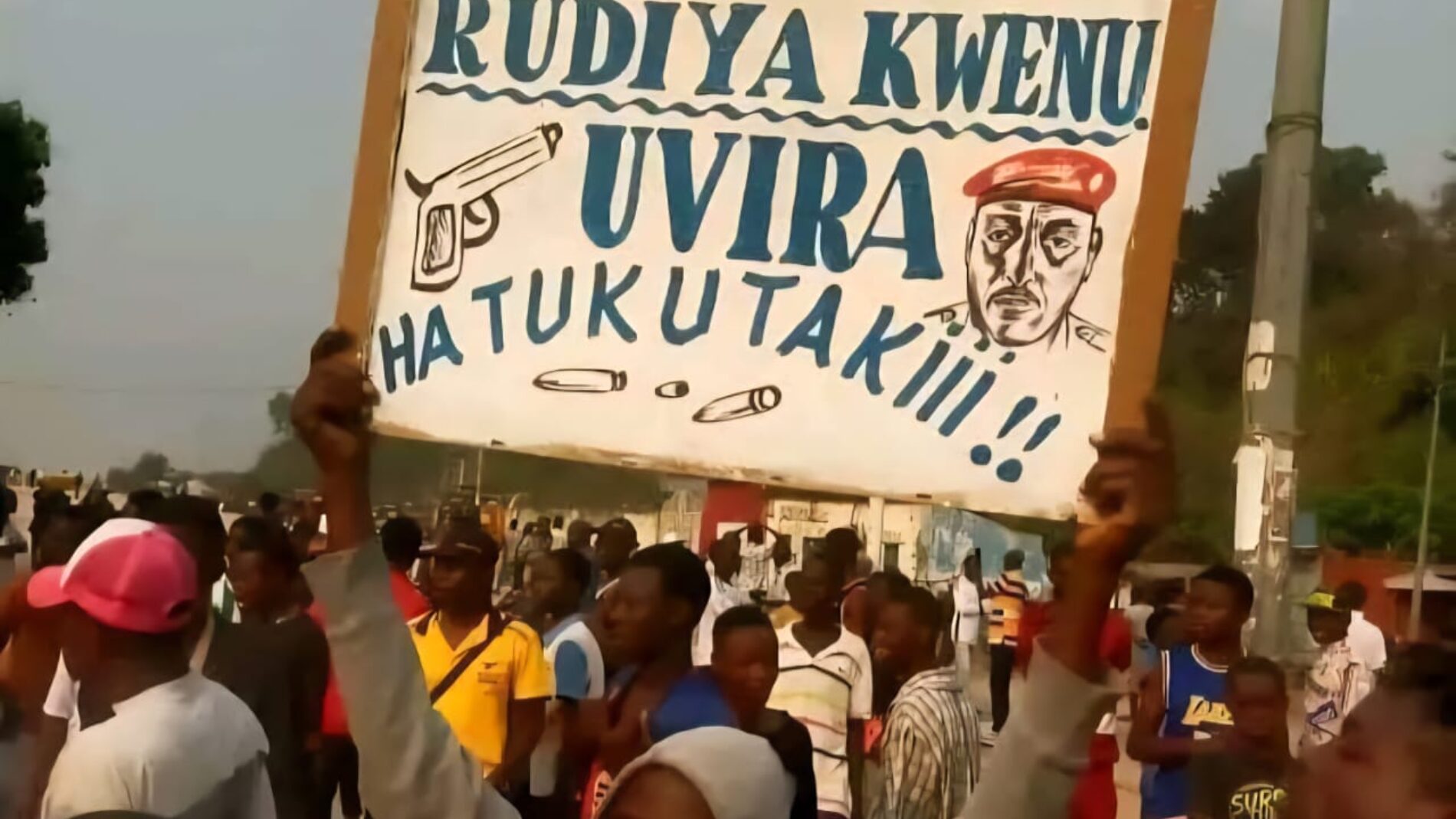
General Olivier Gasita was previously assigned to Uvira in September 2025, where he held the critical position of head of operations and military intelligence for the 33rd military region. This role placed him at the forefront of security efforts in a highly sensitive border area. However, his tenure in Uvira was marked by significant public unrest and controversy. On September 8, 2025, members of civil society organizations, actively supported by the local self-defense militia known as the Wazalendo, organized a large-scale protest demanding his immediate departure from Uvira. The demonstration quickly escalated beyond its initial peaceful intentions. The situation degenerated after a rally held by the protesters and the subsequent delivery of a memorandum outlining their grievances to local authorities.
The aftermath of the protests saw conflicting reports regarding casualties. Civilian sources, including local human rights groups and eyewitnesses, reported a grim toll of at least five deaths and approximately twenty injuries among the demonstrators and bystanders during the unrest. These reports painted a picture of severe confrontation between protesters and security forces. The FARDC, however, presented a different account, acknowledging the tragic death of a 12-year-old child, which they attributed to a stray bullet fired during the chaotic events. The army also reported nine injured individuals, a figure that included four soldiers who sustained injuries during the clashes and five civilians. The discrepancy in casualty figures noted the tense and contested nature of the events that unfolded in Uvira.
The army further accused some protesters of attempting to force entry into the military base during the demonstrations, suggesting that the unrest posed a direct threat to military installations and personnel. These protests occurred amidst strong community tensions that had been simmering in the region, exacerbated by the proliferation of hate speech specifically targeting the Banyamulenge community in the area. The strategic significance of Uvira cannot be overstated; it holds immense importance due to its geographical location just a few kilometers from Bujumbura, which serves as Burundi's economic capital. This proximity makes Uvira a vital commercial axis, facilitating cross-border trade and movement. The town is recognized as a strategic passage key for Burundi's fuel supply, making any disruption there have wider regional economic implications. At the time of these tumultuous events, Uvira was severely paralyzed by a general strike that effectively shut down essential services and daily life, affecting schools, markets, banks, and transport services across the town. The widespread disruption showed the depth of public anger and the severity of the crisis. Due to the rapidly rising tensions and the volatile security situation in Uvira, General Olivier Gasita was officially recalled to Kinshasa in October 2025, signaling the end of his controversial assignment. The security situation in the region continued to deteriorate following his departure, culminating in December 2025, when Uvira subsequently fell under the control of the M23 rebel group, a significant setback for government forces and a testament to the region's instability.
Accusations and Community Tensions
General Olivier Gasita's ethnicity played a central role in the controversy surrounding his deployment. He is of Banyamulenge origin, a distinct Congolese Tutsi community primarily residing in the South Kivu province. This ethnic background became a focal point for his detractors, who frequently accused him of being unduly close to Rwanda, a neighboring country with historical and complex ties to various armed groups in eastern DRC. These accusations extended to alleging supposed links between General Gasita and the M23 rebel group, which has been a significant source of instability in the region. Some protesters went even further, explicitly accusing General Gasita of playing a direct role in the fall of Bukavu, the provincial capital of South Kivu, to rebel forces, suggesting complicity or incompetence that led to such a critical loss. However, it is important to note that these serious accusations, despite being widely circulated during the protests, were not supported by concrete evidence or official investigations.
The demonstrations in Uvira were not merely about military performance but deeply rooted in ethnic and community sentiments. Demonstrators explicitly expressed their rejection of a Tutsi officer leading military operations in what they considered a sensitive border zone, particularly given the prevailing anti-Tutsi sentiment fueled by the activities of groups like M23. The protests in Uvira occurred amidst strong community tensions and a disturbing surge in hate speech specifically targeting the Banyamulenge community, creating an environment of mistrust and division. This historical context is key; Uvira had previously served as a refuge for several Congolese officials and civilians following the fall of Bukavu to other rebel factions in earlier conflicts, noting its strategic importance as a sanctuary and its vulnerability to regional instability. The intersection of military command, ethnic identity, and regional geopolitics created a volatile situation that ultimately led to General Gasita's removal from his post in Uvira.
New Role and Local Reactions
Despite the contentious circumstances of his previous departure, General Olivier Gasita's return to eastern DRC has been met with a range of reactions. Some residents in the region have openly expressed regret over the protests that ultimately led to his departure from Uvira. These individuals believe that his rejection was primarily motivated by his community affiliation, specifically his Banyamulenge origin, rather than any legitimate concerns about his military competence, strategic acumen, or actual performance in his command role. This perspective suggests a recognition that ethnic prejudice may have overridden objective assessment of his capabilities.
His return to a strategic intelligence role within the Forces armées de la République démocratique du Congo (FARDC) in the 2nd defense zone, which covers multiple provinces including the mineral-rich Haut-Katanga, has therefore been met with varied reactions across different segments of the population and political spectrum. While some may view it as a pragmatic decision to utilize an experienced officer, others may remain wary given the past controversies.
General Gasita's previous assignment in Uvira as head of operations and military intelligence for the 33rd military region ended amidst significant public unrest and a breakdown of trust between the military and a segment of the civilian population. Civil society groups, actively supported by the Wazalendo, had organized protests demanding his removal, explicitly accusing him of alleged ties to the M23 rebel group and Rwanda. These claims, as previously noted, were not substantiated by evidence but gained traction in an environment rife with suspicion and ethnic animosity. His Banyamulenge origin, identifying him as part of a Congolese Tutsi community, was a central point of contention for demonstrators who explicitly rejected the idea of a Tutsi officer leading military operations in the sensitive border zone, a region often experiencing spillover effects from conflicts involving Rwanda and various armed groups. The protests, which involved a large rally and the delivery of a formal memorandum of grievances, led to tragic fatalities and numerous injuries among both civilians and military personnel, according to differing accounts from civilian sources and the FARDC, showing the violent nature of the confrontations.
His recall to Kinshasa in October 2025 followed the escalating tensions in Uvira, a town whose strategic importance was amplified by its proximity to Burundi's economic capital, Bujumbura, and its critical role as a commercial axis and a vital fuel supply route for Burundi. The unrest in Uvira was set against a backdrop of strong community tensions and the widespread spread of hate speech targeting the Banyamulenge community, creating a deeply polarized atmosphere. Now, less than a year after his departure from Uvira under such fraught circumstances, General Gasita is back in eastern DRC, serving alongside Major General Ngoie Kilubi Bob in his new intelligence capacity. The specific location of his current operations within the vast 2nd defense zone has not been publicly detailed, but his presence in Lubumbashi for this assignment signifies a continued focus on intelligence gathering and security operations in the broader eastern region, where the FARDC faces persistent challenges from numerous armed groups and complex inter-community conflicts. His return indicates a continued effort by the FARDC high command to leverage experienced officers in critical roles, even those who have previously faced public opposition, in the ongoing struggle to stabilize the volatile eastern provinces.