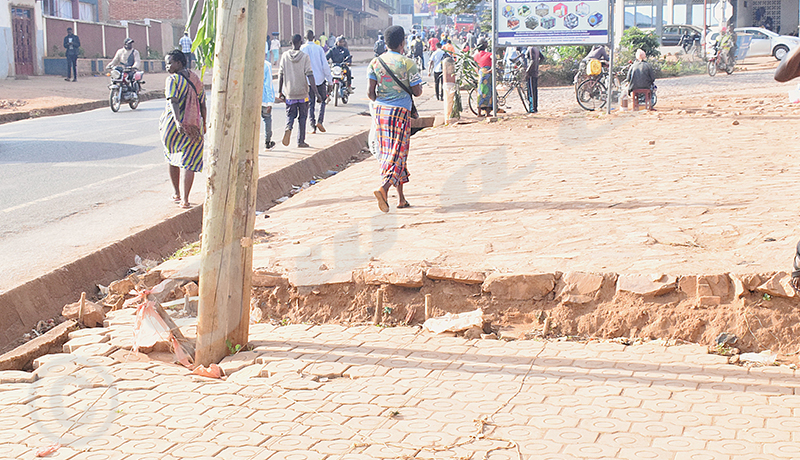
Gitega's urban areas are experiencing a fragmented landscape due to the implementation of differing approaches to sidewalk modernization across the city. This initiative, designed to improve public sanitation and free pedestrians from mud and dust, has seen its objectives only partially achieved. The varied execution of these modernization efforts has led to a noticeably inconsistent pedestrian experience throughout the city, creating an uneven urban fabric. This lack of uniformity in construction methods and materials contributes to a fragmented and uncoordinated development of public spaces, impacting both functionality and aesthetics.
Conflicting Construction Choices
A significant contributor to this fragmentation is the choice of construction materials. Some property owners in Gitega have opted for rigid concrete in their sidewalk construction, a method that stands in contrast to the removable tiles utilized in other areas of the city. This particular choice has introduced a notable divergence in the construction materials and methods employed for pedestrian pathways. The simultaneous use of both concrete and tiles has consequently broken the visual harmony of Gitega's urban environment, presenting a disjointed appearance to residents and visitors alike. The varied application of these materials results in an inconsistent aesthetic across the city's sidewalks, directly affecting the overall appearance of public spaces and creating a lack of cohesion. This fragmentation in design contributes significantly to the evolving urban landscape, where uniform standards for pedestrian infrastructure have not been universally adopted or enforced. The differing material choices by individual property owners create a patchwork effect, rather than fostering a cohesive and integrated pedestrian network that would benefit the entire community.
Infrastructure Risks and Regideso Warnings
Beyond aesthetic concerns, the choice of material carries significant practical implications for urban infrastructure. Removable tiles offer the distinct advantage of being easily dismantled and reassembled for technical work, providing a flexibility that is entirely absent with concrete structures. Concrete, by its very nature, necessitates jackhammering for access, a process that is both destructive and time-consuming. Alarmingly, concrete construction methods have been observed covering critical high-voltage electrical cables and potable water pipes in Gitega. This practice raises serious concerns about potential complications for utility maintenance and access, posing risks to both service delivery and safety.
Regideso, the national water and electricity utility, has consequently issued stern warnings regarding non-compliant sidewalk construction. The utility is threatening demolition of such structures without compensation should they impede access to essential services or pose risks to existing utilities. This stance indicates a firm and uncompromising position from Regideso concerning unauthorized infrastructure that hinders their ability to perform necessary maintenance or repairs. The potential for demolition without recompense adds a significant financial risk for property owners who have opted for permanent concrete structures over more easily accessible, removable alternatives. This situation shows a fundamental conflict between individual construction choices and the broader requirements for efficient urban infrastructure management and maintenance in Gitega, noting the need for a more unified approach to urban planning.
Resident and Merchant Perspectives
From the perspective of property owners, cost is frequently cited as a primary factor influencing their construction choices, with many noting that concrete is significantly cheaper to install than tiles. This economic consideration plays a key role in the decisions made at the individual property level. From a commercial standpoint, owners of businesses argue that standard removable tiles cannot adequately support the weight of trucks and vans, which are often necessary for loading and unloading goods. This perspective suggests a practical limitation of tile usage for businesses requiring heavy vehicle access, presenting a challenge for urban planners seeking uniform solutions. Some anonymous merchants have also expressed the belief that the state should bear the financial responsibility for repairs if infrastructure is damaged during utility work. This sentiment reflects a desire for public accountability regarding the maintenance and integrity of urban infrastructure, particularly when private property improvements are affected by public services, adding another layer of complexity to the ongoing modernization efforts in Gitega.