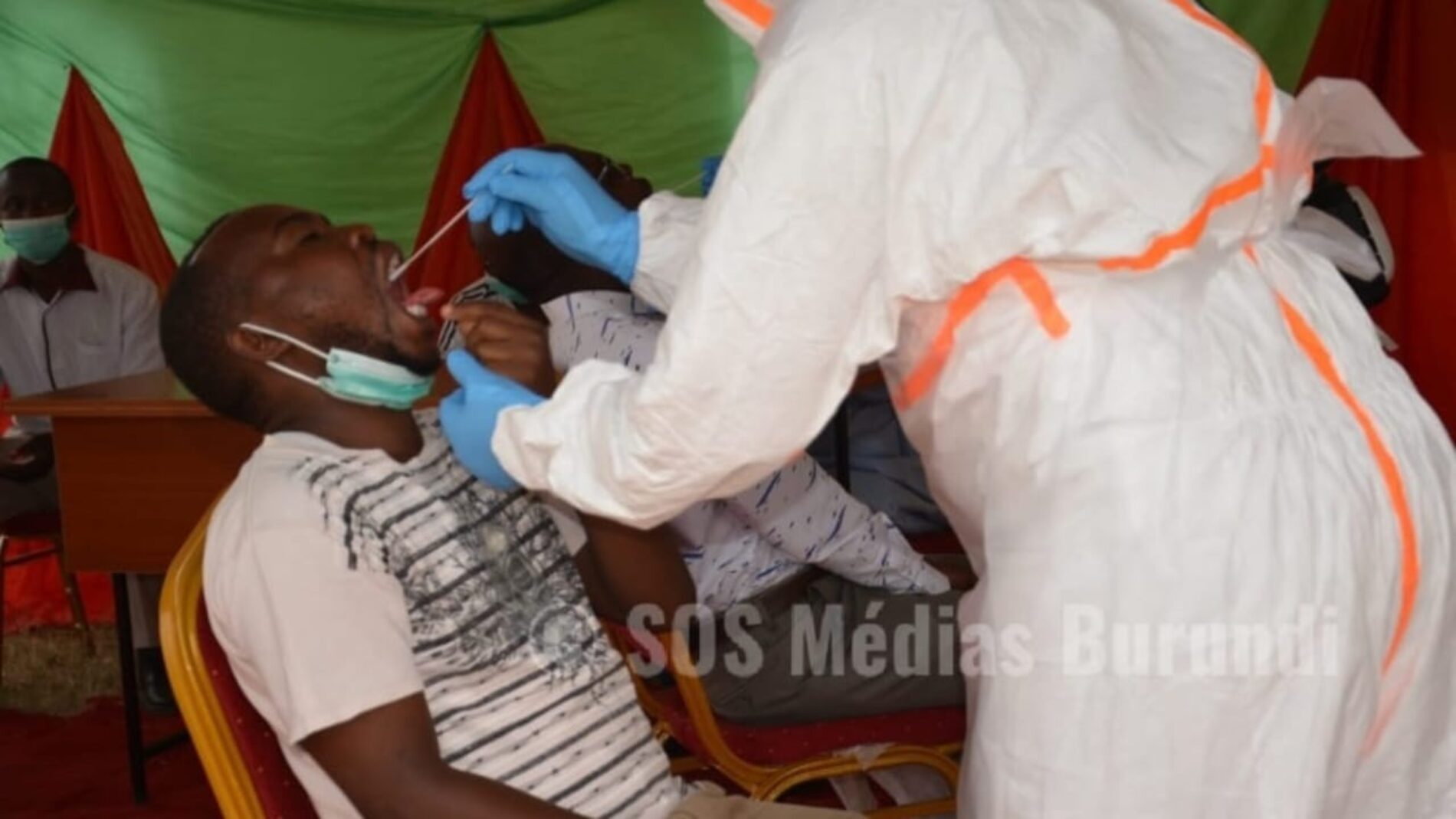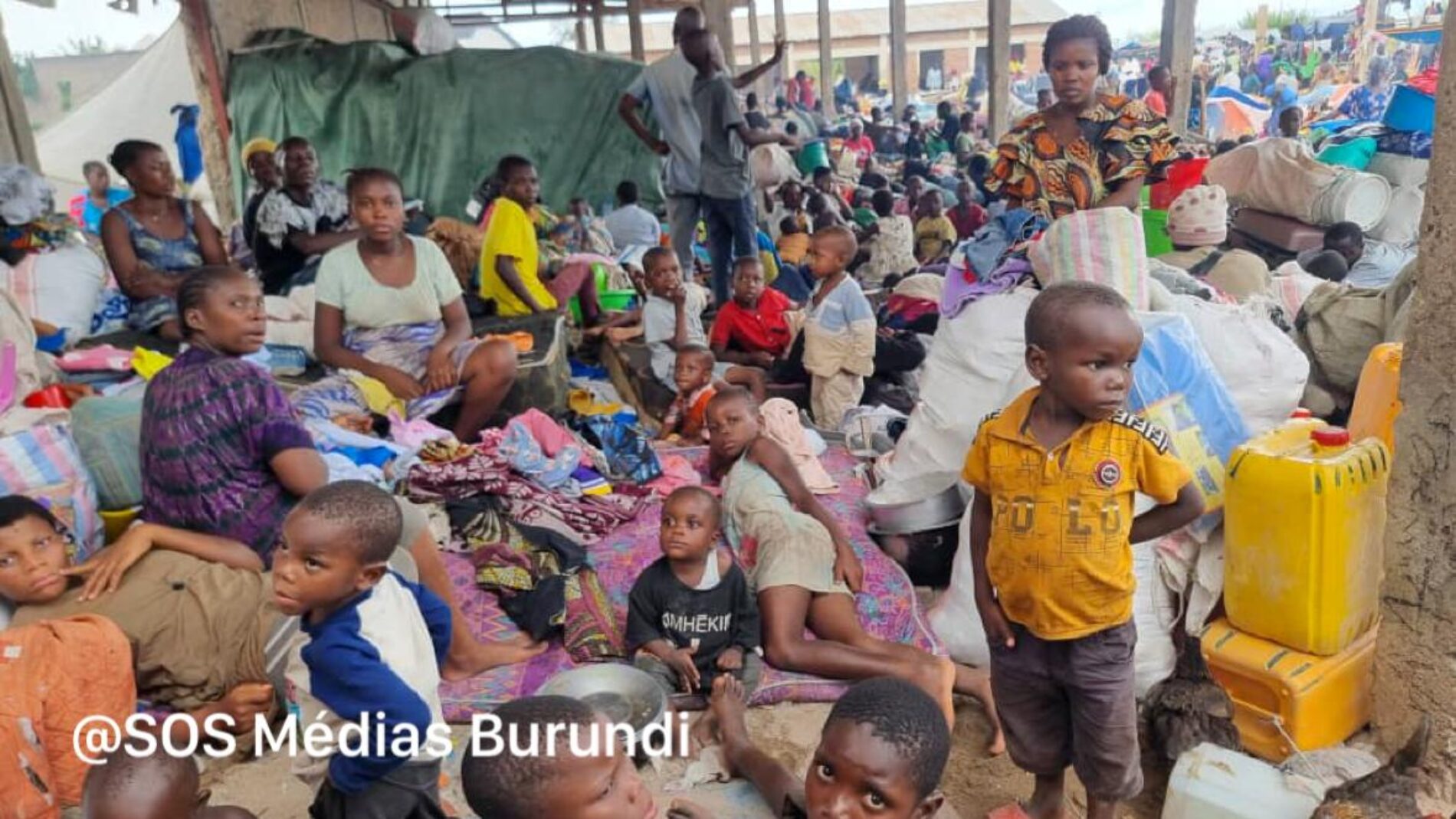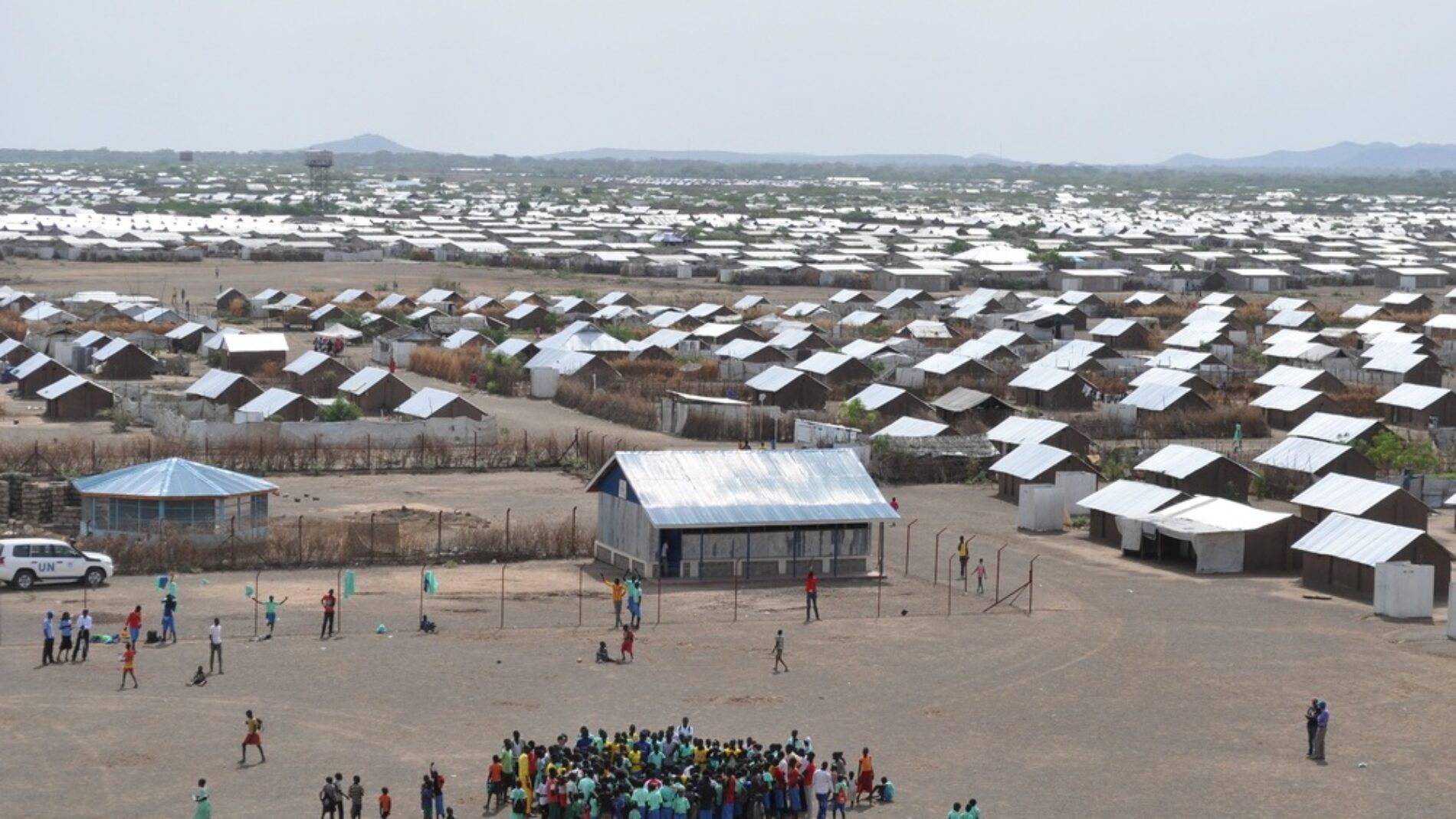
Refugees in the Kakuma camp, located in northwestern Kenya, are experiencing an alarming resurgence of malaria. The disease is spreading rapidly among the camp's population of over 200,000 refugees, including many Burundians, creating a pressing public health emergency. This significant population, housed within the camp's confines, faces heightened vulnerability as the disease takes hold. Health structures within the camp are currently overwhelmed and struggling with a severe shortage of essential medicines needed to combat the escalating outbreak. The situation notes a growing and critical public health crisis in the camp, demanding immediate attention and resources.
Health Crisis Deepens
The severity of the health crisis within Kakuma camp is starkly evident in recent medical assessments. Nearly 90% of patients received and examined at the 'Seven' reference hospital are diagnosed with malaria, indicating a widespread and widespread health challenge. This high diagnostic rate shows the extensive reach of the disease across the camp's population. Children under five years old and pregnant women are reported as the most affected demographics within the camp, facing heightened risks due to their particular vulnerabilities. The scarcity of medicines in official health facilities has compelled many refugees to seek treatment from private pharmacies operating within Kakuma camp, often incurring unexpected financial burdens.
Contributing significantly to the severity of the situation are environmental factors and living conditions. The ongoing rainy season, a recurring climatic pattern in the region, promotes the proliferation of mosquitoes, the primary vectors of malaria. This natural phenomenon, combined with the precarious living conditions prevalent throughout the Kakuma camp, creates an ideal environment for the rapid transmission of the disease. These conditions, characterized by inadequate shelter and sanitation, further exacerbate the public health challenge. Intervention capabilities of humanitarian partners in the health sector have been severely impacted by consecutive budget cuts, including those resulting from the Trump administration's decision to freeze and reduce international aid funding. These reductions have directly hampered the ability of aid organizations to provide key medical supplies and services, intensifying the crisis.
Calls for Urgent Intervention
In response to the escalating crisis, refugees and medical staff at Kakuma camp are advocating for urgent and substantial support. They are calling on the Haut-Commissariat des Nations unies pour les réfugiés (HCR) to bolster resources directed towards the health sector. Their appeals specifically highlight the critical need for an enhanced supply of medicines to address the ongoing malaria surge effectively. These calls come amidst widespread reports of overwhelmed health facilities and a profound scarcity of essential treatments, conditions that are undeniably exacerbating the public health crisis within the camp. Strengthening these resources is seen as key for containing the outbreak and providing adequate care to the camp's vulnerable population, particularly given the high prevalence of malaria cases and the reported impact of aid cuts on humanitarian health services. The ability to procure and distribute necessary medications promptly is critical to saving lives and mitigating the long-term health consequences for the refugee community.
Impact on Refugees
The resurgence of malaria profoundly affects the daily lives and overall well-being of refugees in Kakuma camp. With nearly 90% of patients at the 'Seven' reference hospital diagnosed with malaria, the high prevalence strains families already contending with precarious living conditions, further complicating their struggle for survival. The scarcity of medicines in official health facilities forces many to seek treatment from private pharmacies, often at a significant and unexpected financial burden for families with limited resources. Children under five years old and pregnant women are particularly vulnerable, facing heightened health risks from the disease, including severe complications and increased mortality rates. The ongoing crisis exacerbates existing challenges within the camp, noting the urgent need for increased resources and sustained humanitarian support to mitigate the human cost of the outbreak and ensure the health and safety of the camp's inhabitants. The long-term implications for educational attainment and economic stability within the camp community also remain a grave concern.