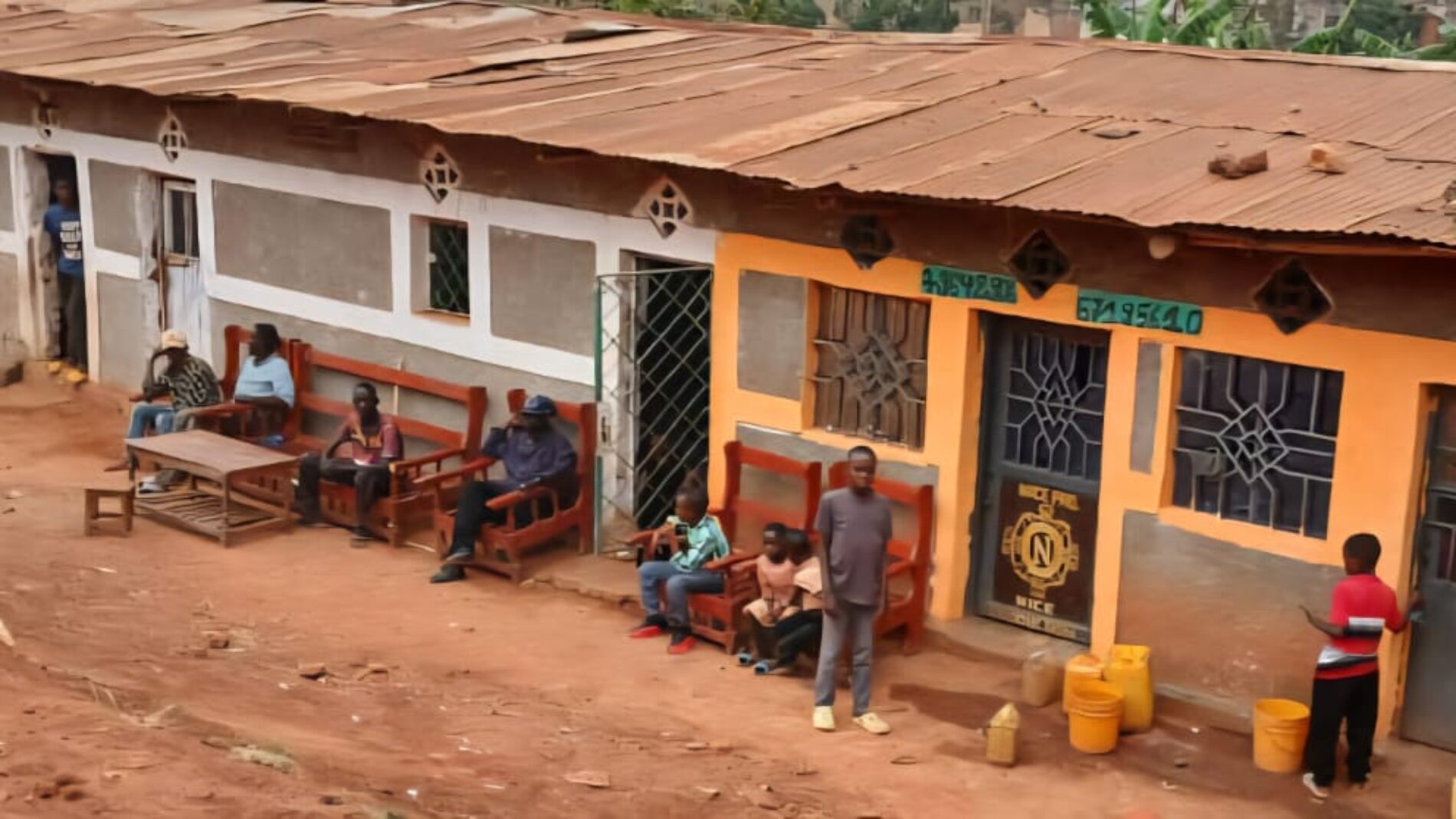
The Tribunal de Grande Instance of Gitega has sentenced Jean Paul Nduwumukama, 34, to life imprisonment for the murder of his elder brother, Jean Pierre Nduwayezu, who was 36 years old. The tragic crime occurred on July 11, 2026, specifically at number 34, 5th Avenue, located in Gitega city's Nyamugari neighborhood. Jean Paul Nduwumukama received the life sentence from the court following a swift judicial process. During the proceedings, Jean Paul Nduwumukama made a notable statement, claiming he "never touched such a colossal sum" in relation to the financial aspects that were presented as a potential motive for the crime. This grave incident has brought a somber focus to the Nduwumukama family and the community in Gitega.
Court Proceedings and Verdict
The verdict in the case against Jean Paul Nduwumukama was rendered on Thursday, July 16, 2026, just days after the murder. The judicial proceedings, which ultimately led to the life sentence for the defendant, were conducted as a flagrance trial. This specific type of expedited trial is designed for cases where the alleged perpetrator is apprehended shortly after the crime, allowing for a rapid legal resolution. The trial was held at the Gitega Central Prison, with the court delivering its decision swiftly after the alleged crime. This streamlined process shows the urgency with which the justice system addressed the serious nature of the offense. The court's prompt action ensured that the legal process moved efficiently from the time of the incident to the final ruling.
Motive and Defense
The prosecution asserted during the trial that the murder was premeditated, stemming from a long-standing land dispute between Jean Paul Nduwumukama and his elder brother, Jean Pierre Nduwayezu. According to the prosecution's claims, this dispute was the primary catalyst for the fatal act. Jean Paul Nduwumukama, for his part, admitted to killing his brother but adamantly denied that the act was premeditated. He maintained that the killing was not a pre-planned event. The origin of the family conflict is widely reported to be either a land dispute or an inheritance conflict, according to sources familiar with the case and testimony presented in court. This suggested a deep-seated disagreement over family assets or property. During earlier proceedings, Jean Paul Nduwumukama stated he "never touched such a colossal sum," referencing a financial aspect that may have been related to the dispute. This statement suggests a financial component intertwined with the reported land or inheritance issues between the siblings, adding another layer of complexity to the motive.
Damages and Compensation
Divine Gracia Irakoze, the victim's widow, stepped forward as the civil party in the case, seeking substantial damages. She claimed 100 million Burundian francs in compensation for the profound losses incurred due to her husband's death. The Tribunal de Grande Instance of Gitega subsequently ordered Jean Paul Nduwumukama to pay the full amount of 100 million Burundian francs to the civil party. During the proceedings, Jean Paul Nduwumukama reiterated his claim, stating he "never touched such a colossal sum," directly referencing the significant amount of compensation demanded. This compensation is intended to address the material and emotional losses incurred by the victim's family following the murder, providing some measure of redress for the tragic event.
Defendant's Financial Plea
Jean Paul Nduwumukama, 34, claimed during his testimony that he did not possess the financial means to pay the compensation ordered by the court. He stated he "never touched such a colossal sum," referring to the 100 million Burundian francs sought by the victim's widow, Divine Gracia Irakoze. Nduwumukama's statement suggested his inability to meet the financial demands placed upon him following the verdict, noting a potential challenge for the civil party in recovering the awarded damages. His plea showed the financial strain the judgment would impose, further complicating the aftermath of the tragic family dispute.