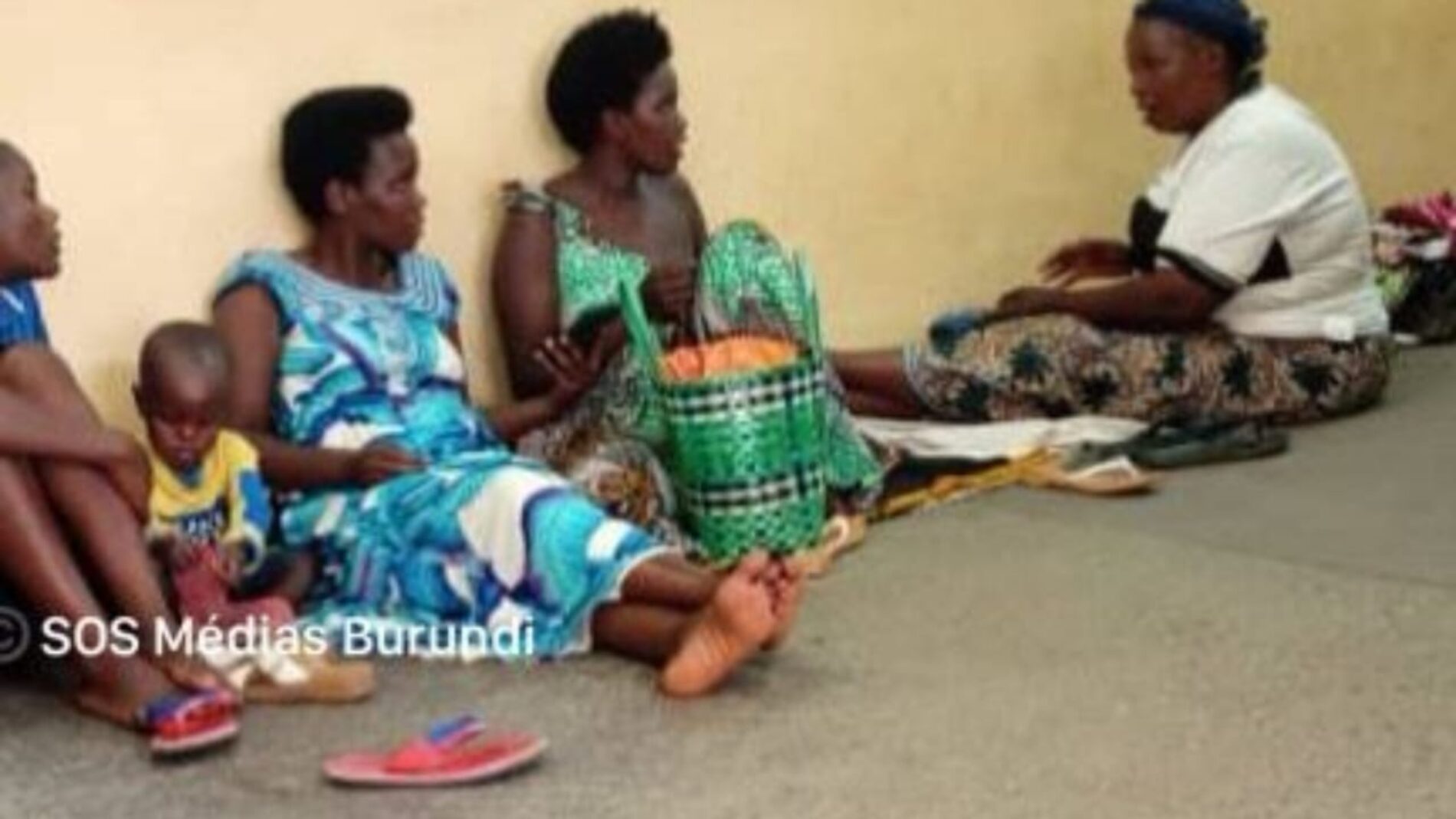
Polyclinique Dunamai Center, situated in the Gihosha zone of the Ntahangwa commune north of Bujumbura, announced on June 17 its decision to cease providing free care for pregnant women and children under five. The change will take effect starting July 1, 2026. This move by the Polyclinique Dunamai Center will end a long-standing practice that has provided key medical support to a significant portion of the local population. The management has not publicly disclosed the reasons behind suspending this free care, leaving many in the community without an explanation for the impending policy shift. The decision has raised concerns in the community regarding access to essential medical services for vulnerable populations in the region, particularly for those who have come to rely on the center's services. The lack of transparency surrounding the reasons for this change has only amplified these anxieties among residents.
Concerns Over Hospital Capacity
Health professionals at Roi Khaled Hospital, also located in the Gihosha zone, anticipate a significant increase in patient numbers following the Polyclinique Dunamai Center's decision. This surge is expected particularly in the departments of maternity, gynecology, and pediatrics, which are already under considerable pressure. Roi Khaled Hospital's existing capacities are already heavily utilized, with its services frequently stretched to their limits even under current conditions. The prospect of additional patients seeking care could further challenge the hospital's ability to manage its workload effectively, especially for vulnerable groups like pregnant women and young children who previously received free services elsewhere. This potential influx of patients raises serious questions about the hospital's ability to maintain its quality of care and respond to the increased demand, potentially leading to longer waiting times and reduced access for those in urgent need. The shift in patient volume could necessitate significant adjustments in resource allocation and staffing at Roi Khaled Hospital to cope with the anticipated demand.
Broader Access Challenges
The decision by Polyclinique Dunamai Center is expected to primarily affect the most modest households in the area, who often rely on free medical services due to financial constraints. For these families, the loss of free care at Dunamai Center represents a significant barrier to accessing necessary healthcare. Espérance, a resident of Gikungu Rural, stated that the Dunamai Center had previously allowed her and others to avoid long queues at Roi Khaled Hospital, providing faster and more accessible care. This notes the vital role the Polyclinique Dunamai Center played in alleviating pressure on other public health facilities and ensuring timely medical attention for its beneficiaries. Broader challenges in accessing free care have been noted elsewhere in Bujumbura, indicating a city-wide trend. The Clinique Van Norman, managed by Université Espoir d’Afrique, has undergone similar reorganizations regarding its free care offerings, leading to a reduction in services that were once freely available. Additionally, several beneficiaries are reportedly encountering difficulties accessing free care at Bujumbura Military Hospital, where the measure has become increasingly limited, further constricting options for those in need. These instances indicate a concerning trend of reduced availability for free medical services across various facilities in the city, making healthcare access more challenging for the most vulnerable populations.
Public Discussion and Future
No official measures have been announced by authorities to limit the consequences of the Polyclinique Dunamai Center's decision to end free care. This lack of official response has left the community feeling uncertain about how the government plans to address the impending healthcare gap. The center, which belongs to Ezechiel Nibigira, the former Burundian Minister of Foreign Affairs, has not publicly clarified the reasons for its upcoming policy change, despite the significant public interest and concern. This absence of explanation from the center's ownership and management contributes to the general apprehension among residents.
The broader issue of suspending free care in some health facilities was discussed during a public broadcast on June 11 in Gitega. This discussion involved both government members and journalists, indicating a level of public awareness and official recognition regarding the challenges in healthcare provision within the country. However, specific actions to address the implications of the Polyclinique Dunamai Center's decision have not yet been disclosed following this discussion, leaving the practical impact on the ground unaddressed. The lack of announced measures leaves the community uncertain about future healthcare access for vulnerable populations, particularly those who rely on such services for their well-being and that of their young children.