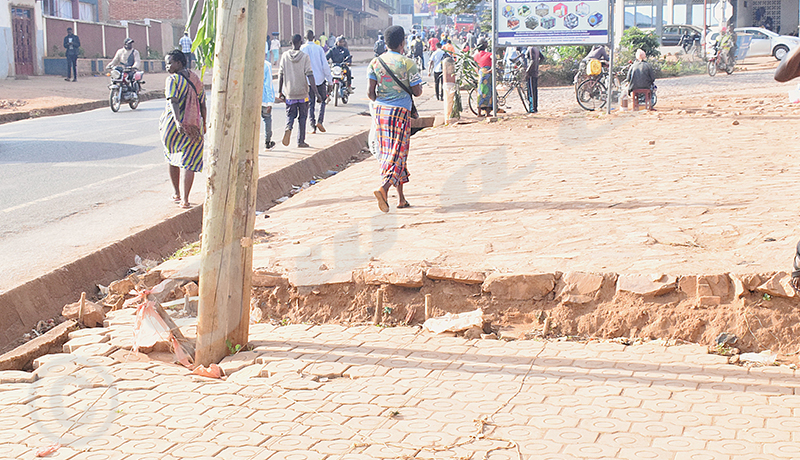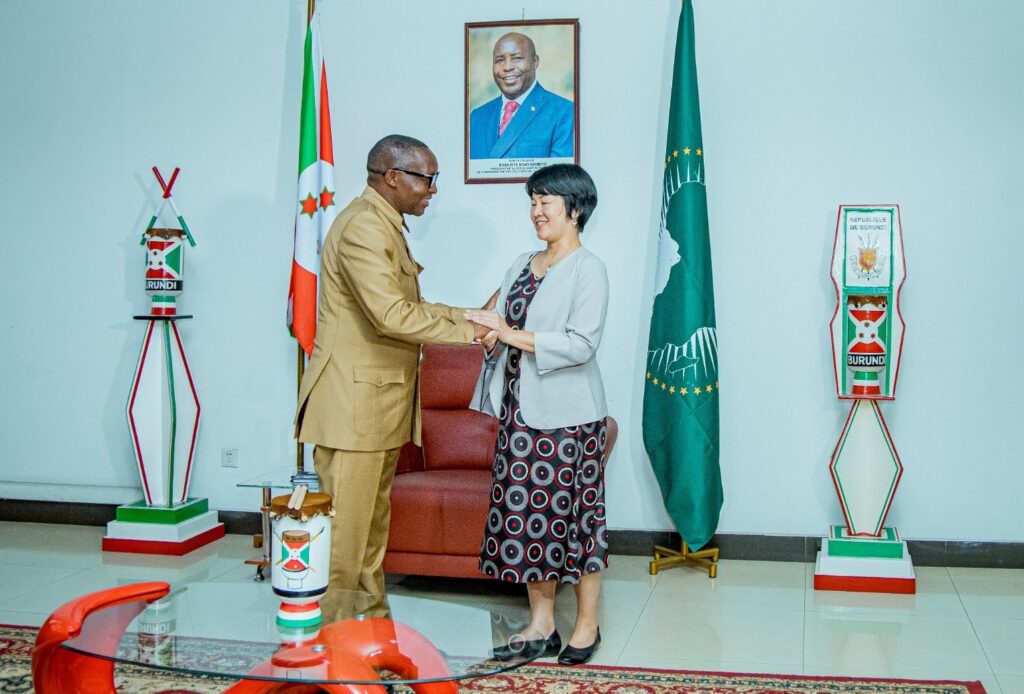
Burundi's Minister of Foreign Affairs, Regional Integration and Development Cooperation, Edouard Bizimana, met with a Japanese delegation from the Japan International Cooperation Agency (JICA) on Thursday, June 11, 2026. The high-level meeting showed the ongoing commitment of both nations to address critical infrastructure challenges in Burundi. Discussions specifically centered on the urgent need for the rehabilitation of the Boulevard du Japon, a vital artery for the nation. The talks addressed particular sections of the boulevard facing the vulnerable 'terrain tempête' area and those located along the picturesque yet increasingly threatened shores of Lake Tanganyika. This key collaboration aims to address significant infrastructure damage in these critical areas, which are essential for both local commerce and national connectivity.
Damage and Proposed Solutions
The Japanese delegation, led by Ms. Shiotsuka Minako, presented two primary options for the full rehabilitation efforts. These proposals were carefully crafted to tackle both immediate threats and long-term sustainability. One proposal involves a step-by-step approach, meticulously focused on mitigating the immediate advance of water from Lake Tanganyika. This phased work is designed to halt further erosion and prevent additional damage to the already affected sections of the Boulevard du Japon, providing immediate relief to the deteriorating infrastructure.
Concurrently, the delegation suggested conducting full studies to inform a more strong and enduring strategy. These in-depth studies are designed to gather critical data and insights, which will then be used to formulate long-term solutions. The ultimate goal is to ensure the road's protection from future damage, particularly that caused by the lake's fluctuating water levels and the increasing environmental pressures observed in the region. This two-pronged strategy seeks to address both the urgent need for stabilization and the necessity for sustainable infrastructure resilience against the lake's widespread impact, securing the boulevard for generations to come.
Funding Challenges and JICA's Role
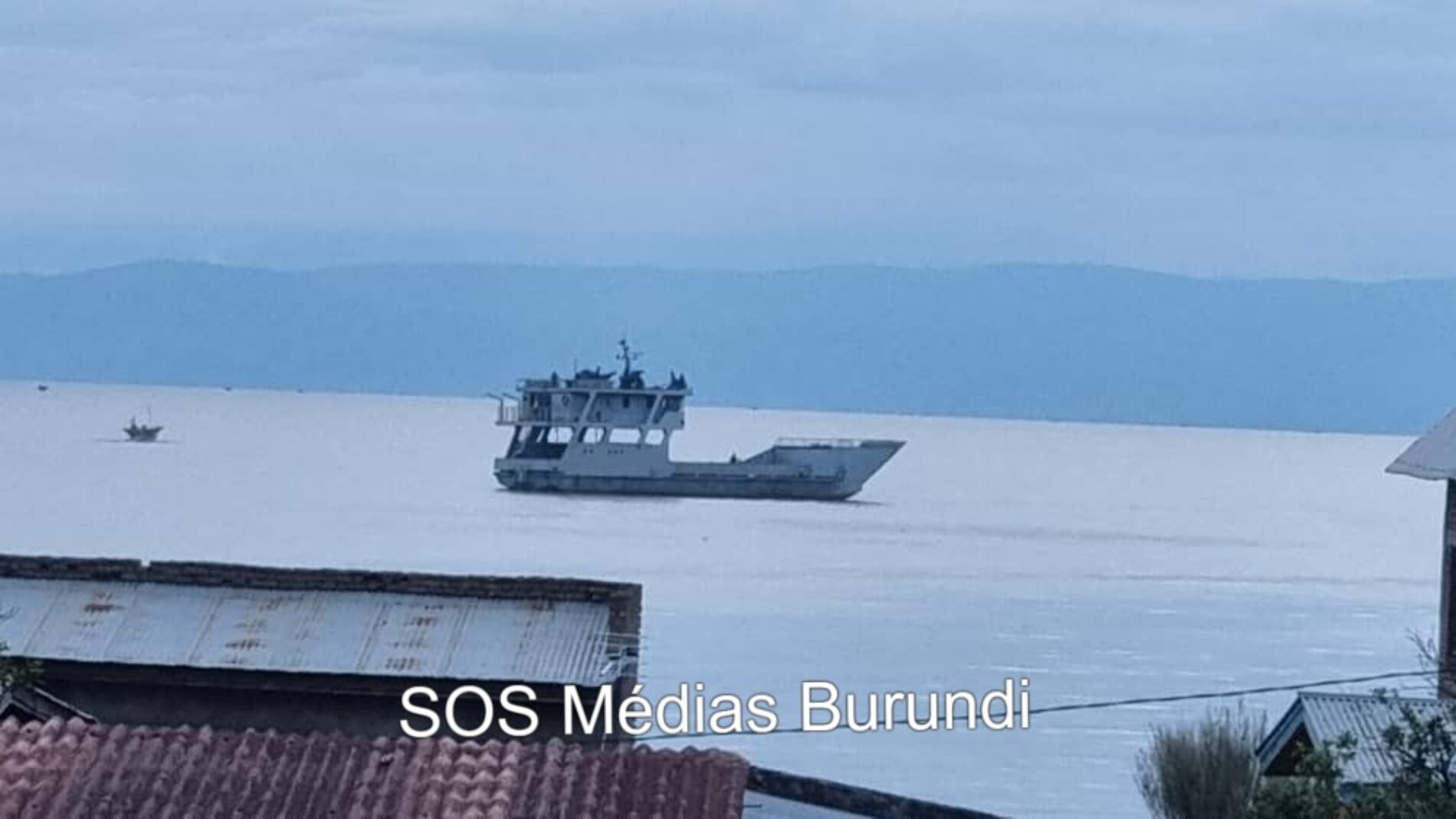
The road sections along Lake Tanganyika, which are key for regional transport, and those leading directly to the strategically important port of Bujumbura, have sustained significant damage. This damage has been primarily caused by the lake's persistently rising waters, which have encroached upon the infrastructure over time. The Japan International Cooperation Agency (JICA), a key partner in Burundi's development, has agreed to contribute to the repair efforts for the Boulevard du Japon, recognizing its strategic importance. An estimated cost of 78 billion Burundian Francs has been projected as necessary for the extensive repairs required to restore the boulevard to a safe and functional condition. However, sources indicate that the currently available funds, which amount to precisely 78 billion Burundian Francs, are not considered sufficient to cover the full and full scope of the required rehabilitation work. This funding gap presents a significant challenge to the project's successful completion. JICA's involvement is therefore key as Burundi seeks to address the significant infrastructure challenges posed by the environmental impact on this vital transport artery, which serves as a lifeline for economic activity and connectivity.
Broader Bilateral Cooperation
Japan has a long and commendable history of contributing to Burundi's infrastructure development, demonstrating a deep commitment to the nation's progress. Notably, Japan previously played a key role in the initial construction of the very Boulevard du Japon that is now in need of rehabilitation, as well as the construction of the vital port of Bujumbura. Beyond infrastructure, Japanese cooperation extends significantly to agricultural development, a sector critical for Burundi's food security and economic growth. Japan provides invaluable technical assistance, essential equipment, and full training programs specifically aimed at improving rice cultivation practices across Burundi. These initiatives empower local farmers with modern techniques and resources, leading to enhanced productivity and sustainable agricultural growth. Japan has maintained a long-standing commitment to Burundi's health sector, recognizing its fundamental importance for the well-being of the population. For over 15 years, the country has steadfastly supported this vital area by deploying experienced experts to assist with various health initiatives, ranging from disease prevention to healthcare system strengthening. These multifaceted efforts show a broader pattern of strong and sustained collaboration between the two nations, spanning multiple key sectors essential for Burundi's overall development and prosperity.