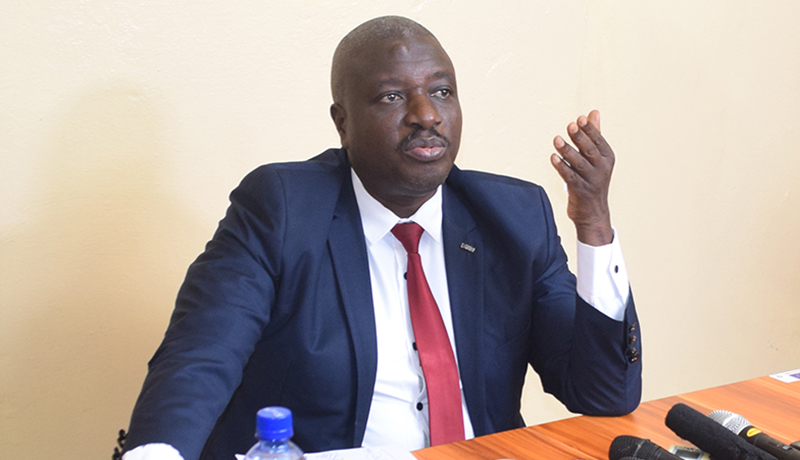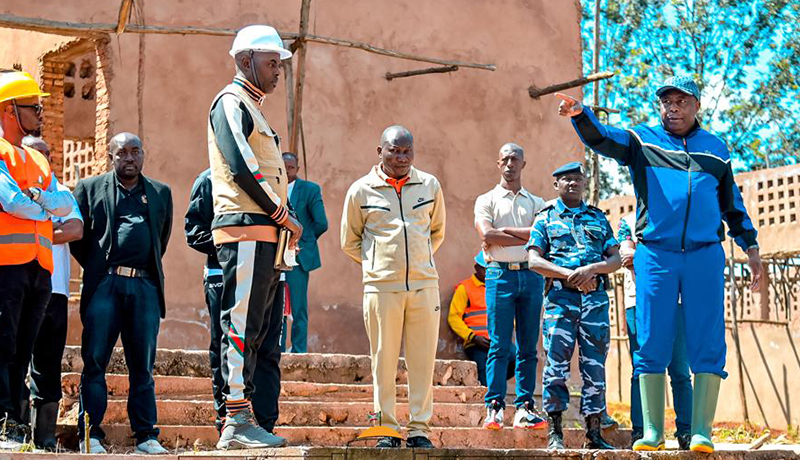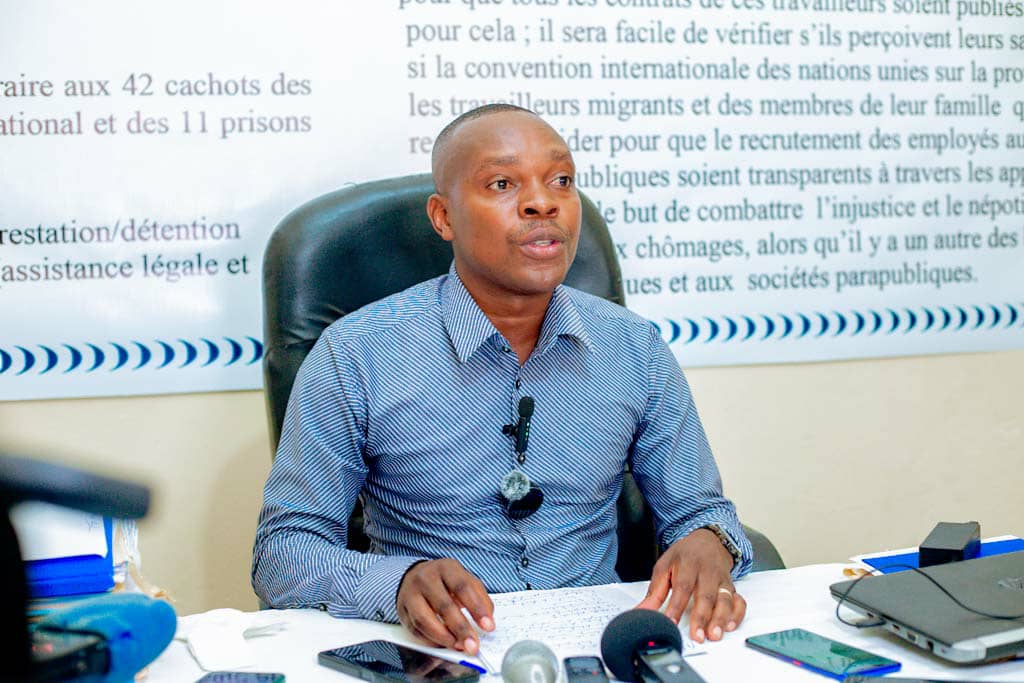
Burundi's Minister of Justice, Human Rights, and Gender, Alfred Ahingejeje, committed to decongesting all prisons nationwide within two months, presenting a report to the Burundian Parliament. This significant pledge shows the gravity of the situation within the country's correctional facilities. The announcement follows a statement made by Vianney Ndayisaba, legal representative and coordinator of the Association for the Fight Against Unemployment and Torture (Aluchoto), during a press conference in Bujumbura on Friday, May 22, 2026. Burundi currently operates eleven prisons across its national territory, all of which are grappling with severe overcrowding, noting a systemic crisis that demands urgent attention from authorities. The commitment from Minister Ahingejeje comes as a direct response to the escalating concerns over the conditions faced by inmates across the country.
Alarming Overcrowding Statistics
Burundi's eleven prisons collectively house over 19,000 prisoners, significantly exceeding their combined capacity of approximately 4,000 places, leading to an overall overcrowding rate of 300%. This stark disparity between the number of inmates and the available infrastructure creates inhumane living conditions and strains resources. Data indicates severe congestion in several facilities across the country, painting a grim picture of the penal system. The central prison of Mpimba, for instance, operates at a staggering 526% of its intended capacity, signifying an extreme and unsustainable level of overcrowding. Similarly, Ngozi prison for men is severely strained, operating at 459% of its capacity.
The crisis extends to other regions as well; Rutana prison faces 377% overcrowding, while Gitega prison holds 300% of its designated inmate population. Ruyigi prison is at 263% capacity, and Muyinga prison is at 201%, indicating that these facilities are housing more than double their intended number of prisoners. Other facilities also report significant strain, though slightly less severe, with Rumonge prison at 183% capacity and Bururi prison at 124%. Bubanza prison is at 107% capacity, and Muramvya prison is at 108%, still exceeding their limits. In stark contrast to the widespread overcrowding observed in male correctional facilities, the Ngozi prison for women operates below its capacity, currently at 80%, providing a rare exception to the national trend. This national average translates to a surplus of over 300% of prisoners compared to the collective capacity of all Burundian prisons.
Root Causes of Congestion
Prison overcrowding in Burundi is attributed to several systemic issues, each contributing to the current critical state of affairs. One significant problem is the continued detention of individuals who have completed their sentences but remain unreleased, often due to administrative bottlenecks or lack of proper legal follow-up. This issue alone adds a substantial number of individuals who should no longer be incarcerated to the already strained system. Another significant factor contributing to congestion is the presence of individuals wrongly accused of rape, who are held in pre-trial detention or even after conviction based on flawed processes.
Criminal cases stemming from family disputes also frequently lead to incarcerations, adding to the inmate population. These cases, often complex and emotionally charged, can result in prolonged legal proceedings and subsequent detentions, further burdening the judicial and penal systems. Interference from powerful individuals has been cited as a cause, resulting in illegal detentions that strain the prison system. Such interference undermines the rule of law and contributes to arbitrary arrests and detentions, exacerbating the overcrowding crisis.
These factors exacerbate the already critical situation within the nation's correctional facilities. Nationally, Burundian prisons collectively hold over 300% more prisoners than their designated capacity. This significant surplus notes the urgent need for reforms addressing both the intake and release processes within the judicial and penal systems to mitigate the severe overcrowding observed across the country. The current conditions pose serious challenges to inmate welfare, human rights, and the overall effectiveness of the justice system.
Proposed Solutions and Justice Reform
To address the systemic issues contributing to overcrowding, Aluchoto has proposed the establishment of a special multi-party commission. This commission would operate with transparency to meticulously review detainee files on an individual basis, examining each case one by one. The organization contends that such a detailed review is essential to identify and rectify instances of wrongful detention, administrative oversight, and other factors contributing to the current overcrowding. The proposed commission would be "open," implying a commitment to transparency and public accountability in its operations.
The organization further argues that for all these problems to be resolved, the fundamental issue of judicial independence must be addressed. Aluchoto contends that resolving the current problems hinges on ensuring the independence of the justice system. Such independence, they argue, would empower Burundian magistrates and prosecutors to carry out their duties effectively and without external interference, whether from powerful individuals or other undue influences. This foundational reform is seen as key for ensuring fair trials, preventing illegal detentions, and ultimately alleviating the severe pressure on Burundi's prison system.