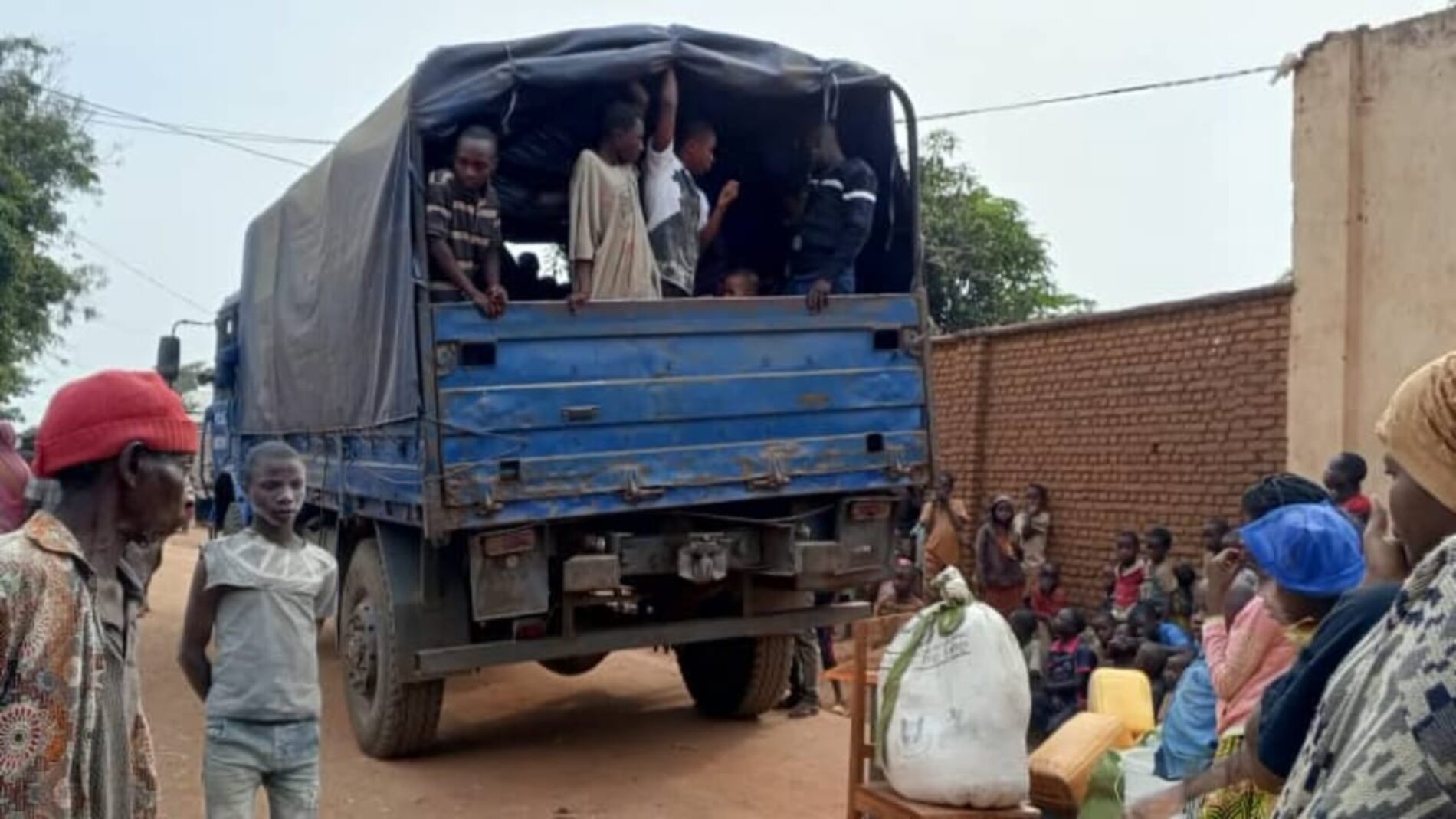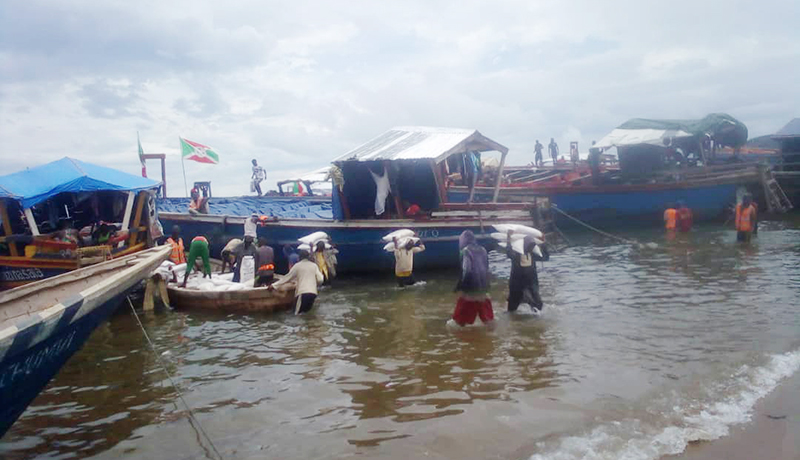
Panic has gripped individuals working at the port of Rumonge following recent reports concerning the presence of the Ebola virus in the Democratic Republic of Congo. This widespread panic among people working at the port of Rumonge was triggered by the announcement of the presence of the Ebola virus in the Democratic Republic of Congo, directly impacting their sense of security and well-being. The close proximity of Rumonge to the Congolese border has fueled concerns among the port's workforce. This apprehension stems from the potential for cross-border transmission of the virus, given the regular movement of people and goods between the two nations. The situation has led to increased anxiety regarding health and safety protocols at the vital transport hub, showing the urgent need for strong preventative measures and clear communication.
Inadequate Surveillance and Infrastructure
Medical teams and technical equipment are slow to be installed at the port of Rumonge, raising concerns about the facility's ability to monitor for potential health threats. This delay in deployment leaves the critical entry point inadequately prepared for disease surveillance, making it vulnerable to the introduction and spread of contagions. Buildings specifically constructed at the port for Ebola control and surveillance have been destroyed by the rising waters of Lake Tanganyika. These structures, which were intended to serve as key checkpoints and isolation areas, are now submerged or damaged, rendering them unusable. The loss of these dedicated facilities further compromises the port's capacity to implement necessary health security measures, leaving a significant gap in its preparedness framework.
Currently, no specialized equipment or dedicated technical teams are on site at the port, a situation that exacerbates the vulnerability of the location to potential health crises. The absence of trained personnel and essential tools means that any potential health crisis, such as an Ebola outbreak, could go undetected or be poorly managed at this key border crossing. This lack of resources creates a significant challenge for effective disease monitoring and rapid response. Adding to the infrastructure challenges, latrines at the port have also been destroyed by the rising waters of Lake Tanganyika. This destruction not only creates immediate sanitation problems, posing direct health risks to port users and workers, but also complicates efforts to maintain hygiene standards vital for preventing disease transmission in a high-traffic area. The lack of functional sanitation facilities further shows the urgent need for infrastructure improvements and the deployment of health resources to safeguard public health at the port, which is a key hub for regional movement.
Public Complacency and Health Risks
The port of Rumonge serves as a significant entry point for individuals arriving from the Democratic Republic of Congo, making it a critical location for health surveillance. Despite its role as a major entry point for people coming from the Democratic Republic of Congo and the proximity to regions affected by Ebola, public engagement in preventative measures appears limited. Many residents of Rumonge are reportedly not mobilized to prevent the disease and continue to behave as if the threat is not present, indicating a dangerous level of complacency within the community. This observed complacency poses an additional challenge to public health efforts in the area, as effective disease prevention relies heavily on community participation and adherence to guidelines.
Health authorities have issued clear guidelines to the local population to mitigate potential risks associated with Ebola transmission. These directives emphasize the importance of observing hygiene measures diligently, such as frequent handwashing and maintaining cleanliness in public spaces. Additionally, residents are advised to refrain from consuming meat from dead wild animals, a practice that can be a vector for disease transmission due to the potential presence of pathogens in infected carcasses. A key recommendation also involves avoiding direct contact with corpses without adequate protection, particularly given the nature of Ebola transmission, which can occur through contact with bodily fluids of infected individuals, including those who have died from the disease. These measures are designed to reduce the likelihood of disease spread within the community and at the busy port, aiming to create a collective defense against the virus.
Official Response and Local Concerns
Transborder movements between Rumonge and the Democratic Republic of Congo have intensified in recent months, leading to an increased risk of contamination, according to official observations. This heightened movement of people and goods across the border amplifies the potential for disease introduction and spread, necessitating strong screening protocols. At the port, two nurses are assigned to take the temperature of every individual entering or leaving the facility to screen for potential health issues. This measure is a primary step in identifying individuals who may be exhibiting fever, a common symptom of many infectious diseases, including Ebola. Despite these efforts, the port contends with limited resources, including only one tap providing running water for hundreds of people who pass through daily. This severe lack of access to basic sanitation infrastructure poses a significant challenge to maintaining hygiene, especially in a context where frequent handwashing is key for disease prevention.
The communal platform for risk management is currently on alert, tasked with monitoring the population's behavior concerning the disease and ensuring compliance with health guidelines. This platform plays a vital role in community engagement and public health education, working to counteract the observed complacency and encourage adherence to preventative measures. The population is specifically asked to observe hygiene measures, refrain from eating dead wild animal meat, and not touch a corpse without protection. These clear directives are key for mitigating the risk of Ebola transmission and are being communicated to the public as part of the broader effort to prevent an outbreak. The ongoing situation at Rumonge port notes the critical interplay between public health, infrastructure, and community engagement in managing potential disease threats at border crossings.