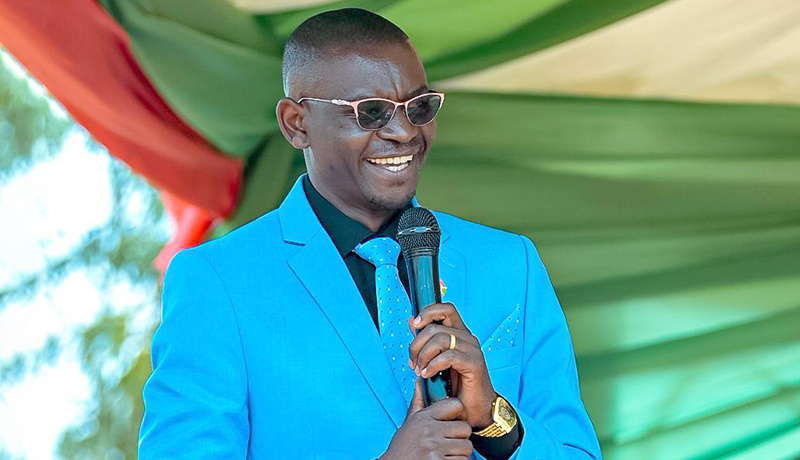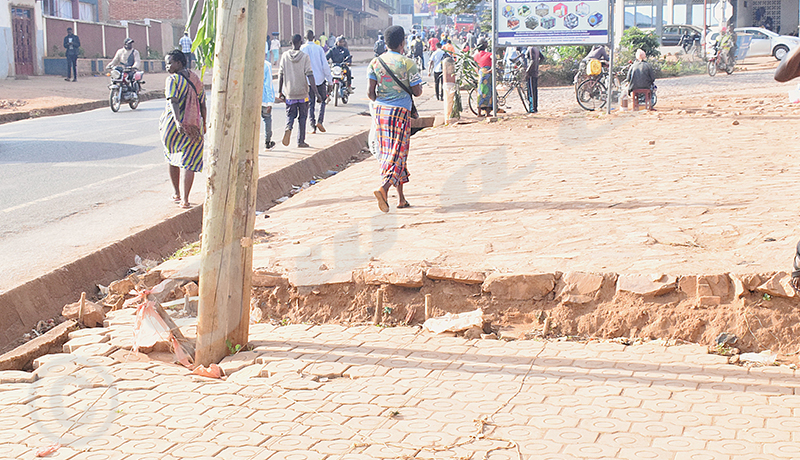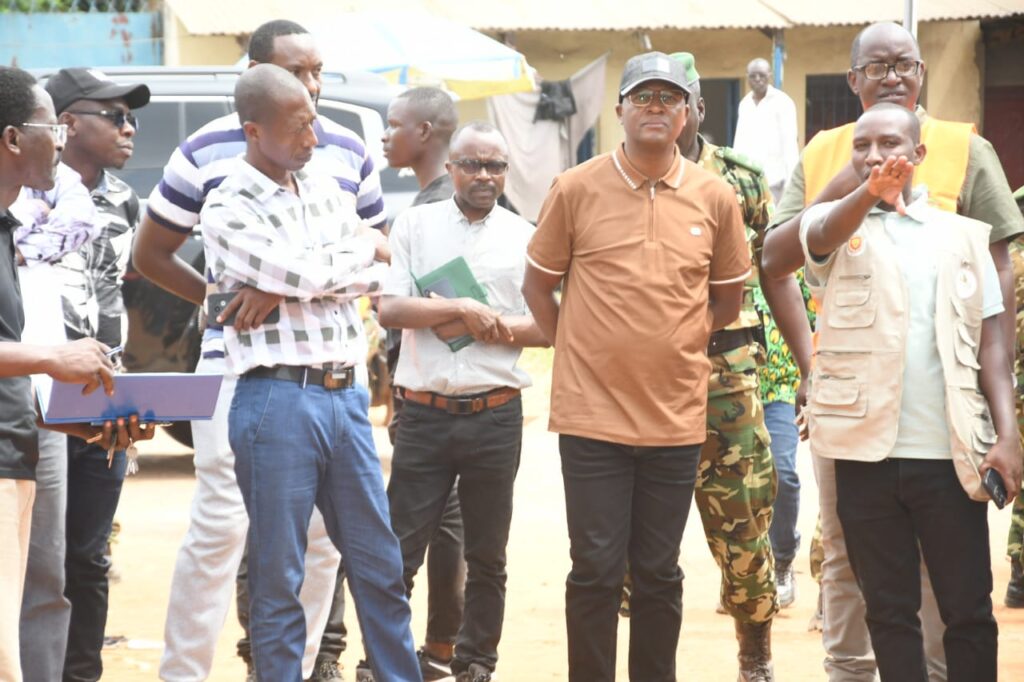
Burundian Prime Minister Nestor Ntahontuye visited the Ntahangwa and Mukaza communes in Bujumbura province on Friday, June 12, 2026. During his visit, the Prime Minister inspected the Uwinterekwa neighborhood, where road paving is currently underway. The inspection was part of ongoing efforts in the region to enhance urban infrastructure and living conditions. The visit aimed specifically to assess the progress of works within a large hygiene and sanitation program, noting the government's commitment to public health and environmental improvements.
Progress on Sanitation Works
The Prime Minister's tour aimed to evaluate the progress of various initiatives under a full hygiene and sanitation program. His itinerary included an inspection of a wastewater and rainwater drainage canal located in the Mahinguriro neighborhood, within the Ngagara zone. This specific location is situated near the afritextile facility, a key area for industrial and residential activity. The rehabilitation of this key infrastructure is designed to improve the management of urban runoff and reduce the risk of waterborne diseases in the surrounding communities.
Works at this site involve the rehabilitation of a 1.8-kilometer section of the canal. This significant undertaking is vital for ensuring effective wastewater and rainwater management, which is essential for maintaining public health and preventing environmental degradation in densely populated areas. The assessment forms part of the government's broader efforts to improve public health and infrastructure across the region, focusing on sustainable urban development and resilience. The proper functioning of such drainage systems is foundational to a healthy urban environment, preventing flooding and the spread of pathogens.
Challenges and Obstructions
Despite the progress, the implementation of the hygiene program faces significant challenges and obstructions, primarily from certain investors and residents. An investor's activities on Karama hill, near the Ntare Rushatsi House presidential palace, were suspended due to concerns that their work constituted a direct threat to the neighborhood, its residents, and vital public infrastructure. This decisive action was taken to mitigate potential risks to the surrounding environment and population, emphasizing the government's priority of safeguarding community well-being over unapproved development. The nature of the threat, encompassing both physical danger and potential damage to public assets, necessitated immediate intervention to prevent further complications for the ongoing public works.
Further complicating efforts, some residents have constructed buildings within public road right-of-ways, directly obstructing ongoing work related to infrastructure development and sanitation improvements. Such encroachments impede the planned expansion and rehabilitation of essential public services, including road networks and utility lines, which are critical for urban functionality. These unauthorized constructions not only delay vital projects but also pose safety risks and undermine urban planning efforts. Additionally, officials have noted that some households, as well as various public and private institutions, are not adhering to the established hygiene and sanitation ordinance. This non-compliance presents a persistent challenge to the overall effectiveness of the program aimed at improving public health standards, requiring continuous public awareness campaigns and enforcement measures to ensure widespread adherence and achieve the program's objectives.
Official Statements and Next Steps
Prime Minister Nestor Ntahontuye visited a development site located adjacent to the Ntare Rushatsi House presidential palace. This inspection was part of his broader tour to assess ongoing progress in public works, showing the high-level attention given to these critical projects. During his visit, the Prime Minister received updates on various projects, with some works anticipated to conclude within two weeks, signaling immediate positive impacts for the affected communities. Other projects have projected completion timelines of one month, while additional initiatives are expected to be finalized in one and a half months. These phased timelines indicate a structured approach to the implementation and completion of the hygiene and sanitation program's infrastructure components across the affected areas. The Prime Minister's visit showed the government's unwavering focus on these specific development initiatives and their timely execution, emphasizing accountability and efficiency in delivering public services. The successful completion of these projects is key for enhancing the overall quality of life and public health for the residents of Bujumbura province.