Burundi's Conseil national pour la liberté (CNL) party is reportedly experiencing a crisis, according to an editorial published by Iwacu. The article, penned by Jean Bigirimana, stated that the political opposition party faces significant challenges regarding its legitimacy and legal standing within the country. This editorial by Iwacu, a prominent Burundian news outlet known for its independent reporting, notes ongoing concerns about the CNL's operational capacity and recognition in the current political climate. The publication frequently covers developments concerning Burundi's political landscape, including the activities and challenges faced by opposition figures such as Agathon Rwasa and Léandre Sikuyavuga, offering critical insights into the nation's political dynamics. The assertion of a crisis shows a period of intense scrutiny for the party, raising questions about its future viability and influence.
Electoral Disappointment and Internal Strife
The Conseil national pour la liberté (CNL) party failed to secure any elective seats in Burundi's 2025 legislative and communal elections. This outcome represented a significant setback for the opposition party, which has faced increasing challenges to its political standing and organizational effectiveness. The lack of representation in both legislative and communal bodies has further complicated the party's operational capacity and its ability to influence policy within the country, effectively sidelining it from formal legislative processes. This electoral performance has intensified scrutiny regarding the CNL's internal cohesion and its broader appeal to the Burundian electorate, prompting internal reflection and external speculation. The result has fueled discussions about the party's future trajectory and its strategies for regaining political relevance in a landscape where electoral success is critical for legitimacy. The inability to secure any seats suggests a disconnect between the party's objectives and its execution, leaving its supporters without direct representation in key governmental bodies.
The Contested Legacy of Agathon Rwasa
The Conseil national pour la liberté (CNL) party maintains its official recognition in Burundi, according to party officials, who emphasize the formal aspects of its existence. The CNL is formally acknowledged with its distinctive sigil, administrative stamp, and homologated bodies, all of which are critical for its legal operation as a political entity. This status is central to the party's claims of legitimacy amidst political challenges, as it demonstrates compliance with national administrative requirements. Despite recent electoral setbacks and internal disputes, the party asserts its continued legal standing through these official markers, which are fundamental to its institutional identity. The presence of a recognized sigil and administrative stamp indicates that, from a formal perspective, the CNL retains its organizational framework as sanctioned by Burundian authorities, allowing it to function within the legal parameters set for political parties. Homologated bodies further show its structure as a recognized political entity in the country, providing a basis for its claims of continued organizational integrity.
Broader Political and Social Landscape
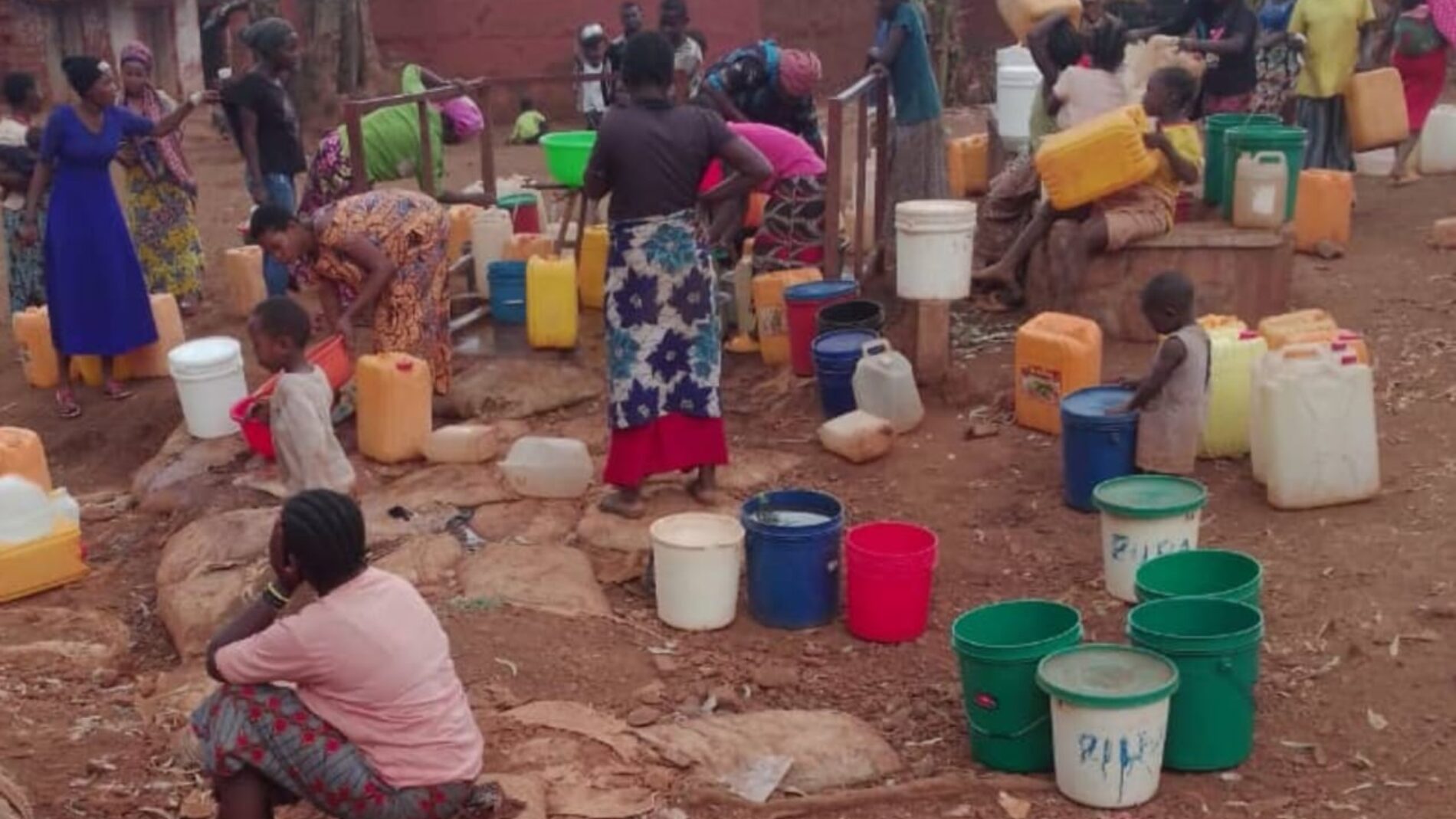
Iwacu's analysis extends beyond the immediate political landscape of the Conseil national pour la liberté (CNL) to encompass broader national challenges affecting Burundi. The article notes significant economic and social issues currently impacting the country, which form the backdrop for political discontent. These include a widespread rise in prices, contributing to diminished purchasing power for many citizens and exacerbating daily struggles. Youth unemployment remains a persistent and alarming concern, affecting a substantial portion of the population entering the workforce and leading to widespread frustration. The report notes critical challenges related to currency shortages and fuel scarcity, which can disrupt daily life, significantly impede economic activity, and create substantial logistical hurdles for businesses and individuals alike. The publication also points to an increase in school dropouts, suggesting underlying educational and socioeconomic pressures within Burundian society that threaten long-term development. These multifaceted issues form the contextual backdrop against which political developments, such as those concerning the CNL, unfold, deeply influencing public sentiment and political engagement.
The Dilemma of Legality vs. Legitimacy
A faction within the Conseil national pour la liberté (CNL) claims the party's historical legitimacy stems from its foundational creation and construction, asserting a deep-rooted identity. This group asserts that its political identity and base fidelity are intrinsically linked with the leadership of Agathon Rwasa, viewing him as the indispensable figure embodying the party's core principles and aspirations. This perspective notes a key internal division, where some members prioritize a historical connection to its origins and a specific leader as the ultimate source of the party's credibility and moral authority. This internal struggle between formal recognition and perceived historical legitimacy, particularly tied to the enduring influence of Agathon Rwasa, complicates the party's efforts to present a unified front and navigate its current crisis.