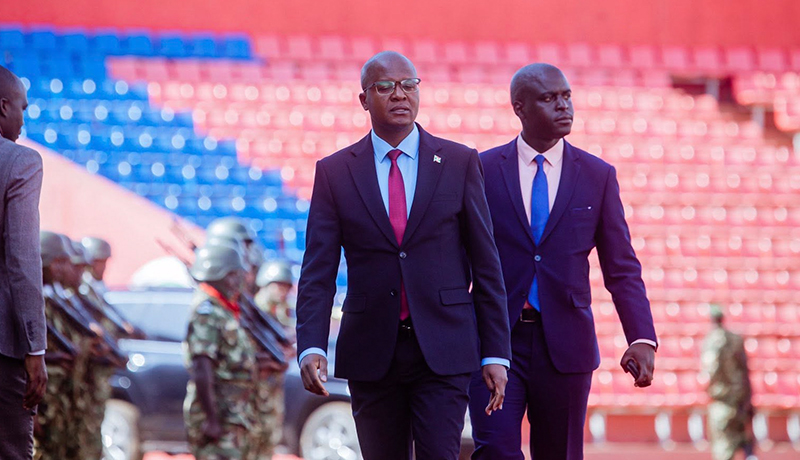
Burundi's Prime Minister expressed confidence that the nation's Vision for an emerging Burundi by 2040 and a developed one by 2060 will be realized as planned, potentially even ahead of schedule. The Prime Minister assured that this ambitious national development plan, aiming for an emerging Burundi by 2040 and a developed one by 2060, is firmly on track. This commitment indicates the government's strong belief in the long-term development strategy, with the Prime Minister affirming that these goals could possibly be achieved even before the scheduled dates. The year 2025 has been designated as the official starting point for this ambitious national vision, marking the commencement of concerted efforts towards these objectives.
Vision Pillars and Timeline
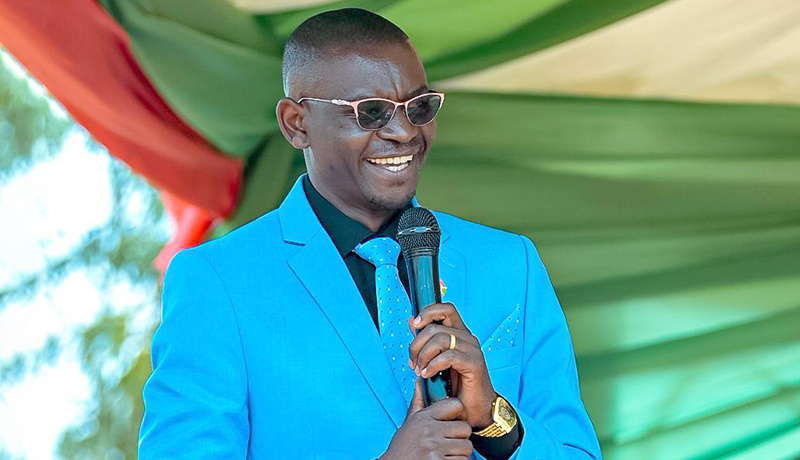
Prime Minister Nestor Ntahontuye delivered these assurances during a public broadcast featuring government members on Thursday, June 11, 2026, at Ingoma Stadium in Gitega. During the broadcast, Prime Minister Nestor Ntahontuye reiterated the government's steadfast commitment to the Vision 2040-2060. Ntahontuye stated, "Nous pouvons atteindre la vision 2040-2060 même avant les échéances prévues," indicating confidence in achieving the goals ahead of schedule. The Prime Minister outlined that the vision's foundational pillars include a new territorial delimitation and decentralization in the use of the state budget. These structural reforms are considered key for efficient governance and resource allocation, underpinning the entire development framework.
According to Ntahontuye, 2025 is considered the starting point for this vision, saying, "L’année 2025 est considérée comme point de départ pour la vision." He estimates that tangible changes resulting from these efforts should become visible within three years, providing a relatively short-term benchmark for progress. This three-year projection offers a clear timeline for the initial impact of the vision's implementation. Addressing broader administrative processes, Ntahontuye also remarked, "Il y a des bénévoles et d’autres ayant passé des tets de sélection dans des recrutements qui attendent d’être casés. Ce sont simplement des procédures qu’il faut mettre au niveau de la loi." This statement suggests an acknowledgment of ongoing administrative challenges and a commitment to streamlining legal procedures to facilitate various processes, including recruitment.
Addressing Bishops' Concerns
The Conference of Catholic Bishops of Burundi (CECAB) issued a statement on June 9, addressing the country's socio-political life. The bishops' statement noted several pressing concerns, including a persistent lack of fuel across the nation, which has been impacting daily life and economic activities. They also pointed to shortages of essential medicines and other vital goods, which are significantly impacting the population's well-being and access to basic necessities.
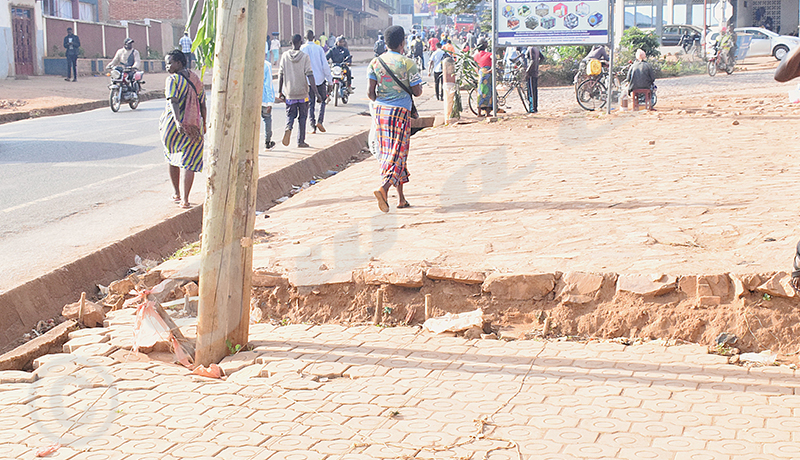
Additionally, CECAB noted the poor condition of many roads, a factor contributing to logistical challenges within the country and hindering transportation of goods and people. The bishops also raised concerns regarding the emigration of skilled workers, suggesting a potential brain drain that could affect Burundi's development prospects by depriving the nation of critical expertise. These issues formed part of the broader statement on the nation's socio-political landscape, showing areas where the government's attention is needed.
Diaspora Contribution and Outlook
Prime Minister Nestor Ntahontuye expressed a belief that Burundians working abroad have the potential to become members of the diaspora and contribute to the investment and development of their home country. The Prime Minister believes that their financial contributions and expertise can play a significant role in national growth. The government is also actively developing strategies to address the emigration of skilled professionals, recognizing the importance of retaining talent within the country. In this regard, a program is being prepared specifically to stabilize doctors within the country, aiming to provide incentives and better working conditions to prevent their departure. Concurrently, efforts are underway to retain university professors, recognizing their key role in education and research, aiming to prevent a brain drain that could impact Burundi's long-term development goals. These measures are part of the government's broader approach to fostering national growth and leveraging all available resources, both domestic and from its diaspora, to achieve the ambitious Vision 2040-2060.