The Chinese ophthalmological mission "Marche vers la lumière" commenced an intensive cataract surgery campaign at the Hôpital Prince Régent Charles in Bujumbura on Monday, May 25, 2026. This initiative marks a significant effort to address visual impairment in the region, bringing specialized medical care to those in need. The campaign, officially beginning on Monday, May 25, 2026, at the Hôpital Prince Régent Charles, is a testament to the ongoing collaboration between China and Burundi in the healthcare sector. The Chinese medical team supporting this campaign is already working permanently at the Hôpital Prince Régent Charles (HPRC), providing substantial ongoing support to the Burundian healthcare system. Their continuous presence ensures a sustained transfer of medical knowledge and skills, reinforcing the local medical infrastructure and capabilities beyond the scope of this specific campaign. This long-term commitment shows the depth of the partnership aimed at improving public health outcomes in Burundi.
Campaign Details and Scope
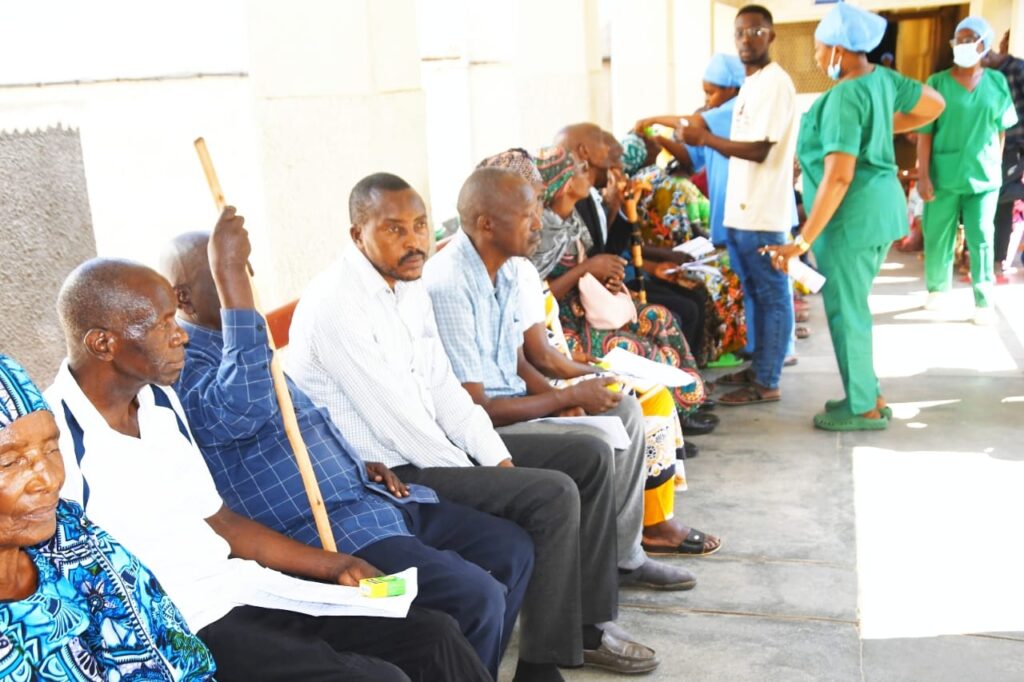
The "Marche vers la lumière" campaign is scheduled to last for ten days, during which a concentrated effort will be made to perform numerous sight-restoring procedures. Throughout this period, specialists plan to restore the sight of 200 to 250 patients, dramatically improving their quality of life. Following the operations, patients receive careful post-operative care involving thirty minutes of observation to monitor their immediate recovery. This key care also includes the provision of necessary medication, ensuring proper healing and preventing complications. Local ophthalmologists will conduct follow-up appointments for patients in Bujumbura, Mpanda, and Gitega, ensuring continued medical attention and monitoring after the surgical procedures. This distributed follow-up approach aims to make post-operative care accessible to patients from various parts of the country, reinforcing the full nature of the mission. The collaboration with local medical professionals is vital for the long-term success and sustainability of the treatment outcomes.
Hospital Context and Challenges
The Hôpital Prince Régent Charles (HPRC) functions as the largest public medical facility in Burundi, serving a vast population and handling a significant volume of medical cases. The Hôpital Prince Régent Charles (HPRC) is the largest public structure in Burundi, making its operational efficiency and capacity critical for national healthcare. Despite its central role, the hospital faces several operational challenges that impact its services, including frequent electricity cuts, which can disrupt critical medical procedures and equipment functionality. Its medical infrastructure also contends with aging equipment, which can hinder the delivery of consistent, high-quality patient care and limit the range of specialized services available. Additionally, a language barrier presents difficulties for communication between some medical staff and patients, complicating patient understanding, informed consent, and adherence to treatment plans. These challenges highlight the importance of international support, such as that provided by the Chinese medical mission, to bolster the hospital's capabilities and overcome existing hurdles in patient care delivery. Addressing these issues is fundamental to enhancing the overall effectiveness of medical services at this vital institution.
Patient Stories and Impact
Specialists involved in the "Marche vers la lumière" campaign anticipate restoring the sight of 200 to 250 patients, a number that signifies a profound positive impact on the lives of individuals and their families. Among those benefiting from the initiative is Gérard Magorwa, an 81-year-old father of nine from the Cibitoke commune. Magorwa, who lives in the Cibitoke commune, expressed profound optimism about the campaign's impact, stating, "Cela va réduire les difficultés des personnes âgées, notamment le manque d’autonomie dans les déplacements." His words show the significant improvement in independence and quality of life that restored sight brings to elderly individuals. Magdalena Inabigombo, a mother of twelve, is from Rugombo and also underwent surgery. She noted the fundamental importance of sight for daily life and productivity, remarking, "Quand on voit bien, rien n’est impossible. Lorsqu’on ne voit pas correctement, on ne peut plus travailler." Her testimony reflects the economic and social empowerment that comes with regaining vision. Another patient, Jonas Ndabigerageze, came from Mugina to receive care, reflecting the broad reach of the mission across different localities and the widespread need for such specialized medical interventions. These personal accounts illustrate the tangible and life-changing benefits provided by the "Marche vers la lumière" campaign, extending its impact far beyond the operating theatre.