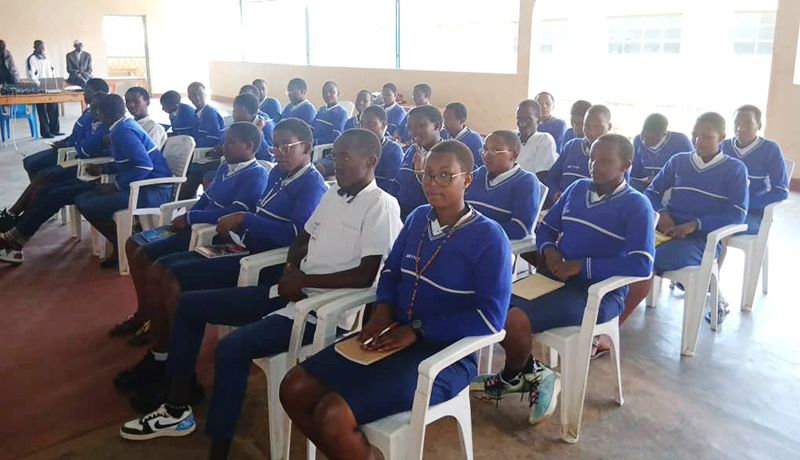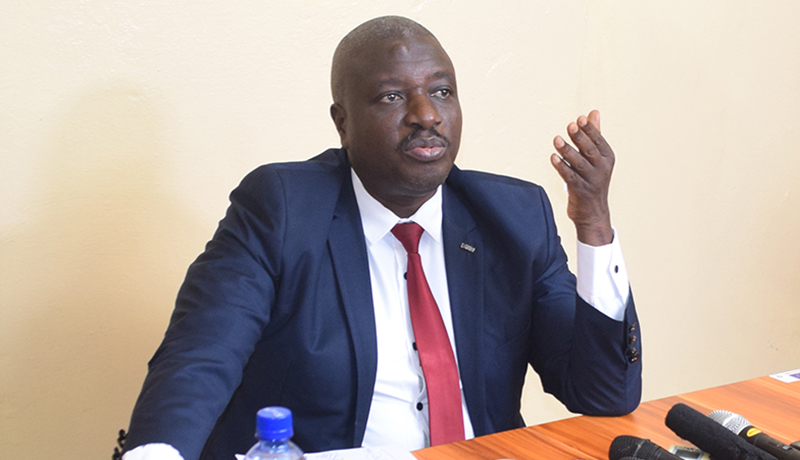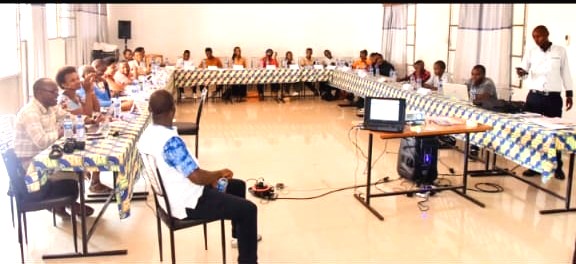
A human rights training workshop for journalists took place at the Maison de la presse, organized by the Maison de l’Unesco au Burundi in collaboration with the Maison de la presse du Burundi. This specialized training event convened media professionals with the explicit aim of enhancing their understanding and reporting on critical human rights issues. The Maison de l’Unesco au Burundi and the Maison de la presse du Burundi jointly facilitated this significant initiative, which was designed to strengthen journalistic capacity within the country, particularly concerning sensitive topics. Journalists gathered at the Maison de la presse, a recognized and central venue for media-related activities and professional development, to participate in the intensive training program. This collaborative effort provided participants with essential tools and full knowledge deemed key for accurate, sensitive, and responsible human rights coverage in their daily work. The overarching goal was to foster the integration of human rights principles directly into their professional journalistic practices.
Workshop Scope and Attendance
The human rights training workshop for journalists commenced on May 20, 2026, and successfully concluded its sessions on May 22, 2026, spanning a total of three days. A total of 23 journalists actively participated in the training, representing a diverse array of both public and private media organizations from various regions. Among the attendees were journalists from one media outlet based in Butanyerera, one from Gitega, and another from Burunga, noting the broad reach and inclusive nature of the program. This initiative is part of a broader series of activities specifically organized to observe World Press Freedom Day 2026. The global celebration for World Press Freedom Day 2026 is themed 'Shaping a Future in Peace', a theme that resonates deeply with the objectives of this human rights training. The workshop reinforced the idea that a well-informed media is indispensable for fostering peace and upholding fundamental rights.
The Importance of Human Rights
The training aimed to significantly strengthen journalists' capacities in human rights, fostering the integration of human rights principles into their daily journalistic work. This focus is grounded in the fundamental understanding that journalism itself serves as an essential pillar of democracy, social cohesion, and the active promotion of fundamental rights within any society. By deepening their understanding of human rights, journalists can substantially improve the quality and impact of their journalistic work, thereby contributing significantly to shaping peace and stability. The workshop emphasized that accurate and ethical reporting on human rights issues is a cornerstone of a healthy public discourse and an informed citizenry.
Human rights are defined as a full set of legal texts and rules that recognize, protect, and guarantee fundamental rights for all individuals. These rights find their primary foundation in the Universal Declaration of Human Rights, a landmark document adopted by the United Nations General Assembly in 1948, and are further elaborated in numerous other international legal instruments and conventions. Generally, human rights are grouped into three distinct categories, each addressing different facets of human dignity and well-being.
The first category encompasses rights guaranteed by the International Covenant on Civil and Political Rights. These fundamental rights include, but are not limited to, the right to life, the prohibition of torture and cruel, inhuman or degrading treatment or punishment, and essential freedoms such as freedom of expression, freedom of thought, freedom of conscience, and freedom of religion. These civil and political rights are often considered foundational for individual liberty and participation in society.
The second category concerns rights guaranteed by the International Covenant on Economic, Social and Cultural Rights. This group includes a wide range of entitlements vital for human development and welfare. These include the right to work, the right to the highest attainable standard of physical and mental health, the right to education, the right to adequate food, and the right to adequate housing. Additionally, this category covers union rights and the right to participate in cultural life, recognizing the importance of economic security and social well-being.
The third category covers collective or solidarity rights, which recognize rights that belong to groups of people or humanity as a whole, rather than individuals. These comprise the right to a healthy environment, the right to peace, and the right to development, acknowledging the interconnectedness of global challenges and the shared responsibility for collective well-being.
Beyond these foundational covenants, human rights are further protected by specialized conventions ratified by states, which address specific areas or vulnerable groups. Notable examples include the Convention on the Rights of the Child, which outlines the civil, political, economic, social, health, and cultural rights of children; the Convention on the Elimination of All Forms of Discrimination against Women, which aims to eliminate discrimination against women in all fields; and the Convention against Torture and Other Cruel, Inhuman or Degrading Treatment or Punishment, which seeks to prevent torture and other acts of cruel, inhuman, or degrading treatment or punishment around the world. These specialized instruments provide additional layers of protection and specific guidance for states in upholding human rights.
Ethical Reporting and Future Steps
Journalists participating in the training were called upon to exercise their profession with the utmost responsibility, particularly when covering sensitive human rights topics. The workshop strongly urged participants to respect human dignity in all their reporting, to actively protect vulnerable individuals from harm or exploitation through their media work, and to diligently avoid all forms of stigmatization, prejudice, or discrimination in their narratives and portrayals. The emphasis was on fostering a media environment that promotes understanding and empathy rather than division.
Looking ahead, steps are also underway to integrate these key human rights notions into the initial training curriculum for the National Police, ensuring that law enforcement personnel are also well-versed in human rights principles from the outset of their careers. Additionally, a similar initiative is planned for magistrates, recognizing the key role of the judiciary in upholding justice and human rights. This training for judicial professionals will be conducted within the framework of the joint human rights program, an endeavor supported by both the Burundian government and the United Nations. The intention behind these expanded training programs is to broaden the understanding and application of human rights principles across various key sectors within Burundi, thereby reinforcing the nation's commitment to protecting and promoting fundamental rights for all its citizens.