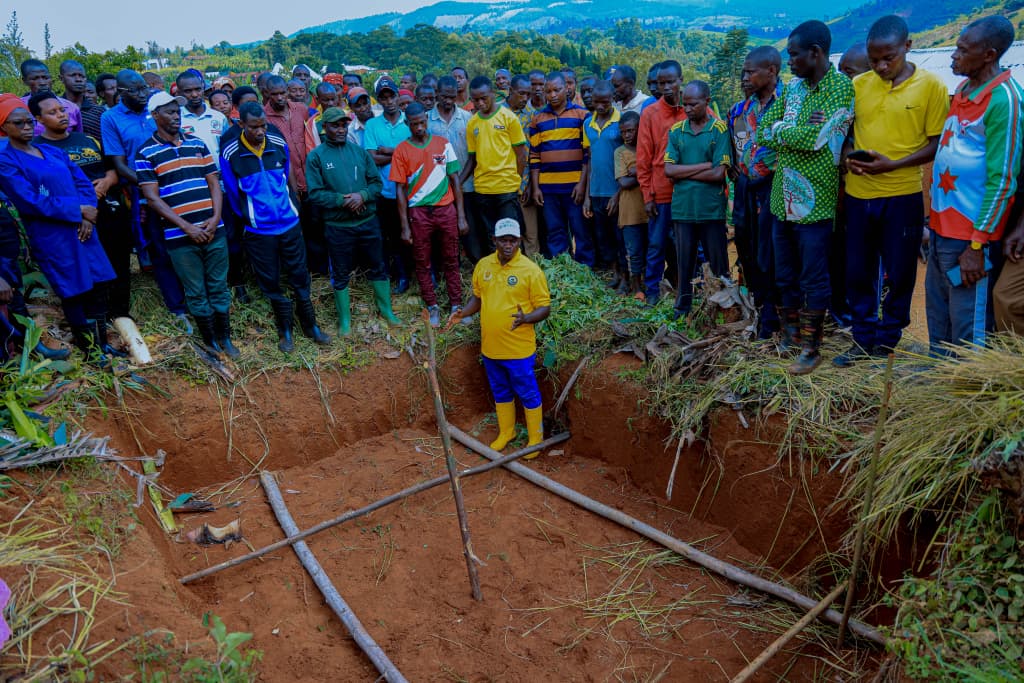
Agricultural stakeholders in the commune of Kiganda sounded an alarm regarding fertilizer scarcity during an interview with the newspaper « Le Renouveau du Burundi » on Thursday, May 21, 2026. This critical development notes a pressing challenge for farmers in the region. The interview with « Le Renouveau du Burundi » provided a platform for local agricultural representatives to voice their concerns about the diminishing availability of essential farming inputs. This development occurs as Kiganda turns to modern composting methods to address the issue. The move aims to compensate for the insufficiency of industrial fertilizers within the region, a measure explicitly designed to counteract the current supply limitations. This strategic shift reflects a concerted effort by local agricultural entities to secure sustainable farming practices amidst current supply challenges and ensure continued productivity. The scarcity of these vital inputs has prompted a re-evaluation of traditional farming methods and a push towards more self-sufficient solutions.
Composting's Key Role
Fabrice Niyirema, head of the agriculture department in Kiganda commune, stated that composting plays a vital role in enhancing soil health. Niyirema explained that compost improves soil structure and aeration, making it easier for plant roots to grow and access nutrients. He noted that it significantly increases water retention capacity, which is key for crops, especially during drier periods. Composting also stimulates microbial biodiversity, fostering a healthier soil ecosystem that naturally supports plant growth and nutrient cycling. These benefits are key for maintaining agricultural productivity, especially in the face of declining access to synthetic fertilizers, which have become increasingly difficult to obtain. The long-term advantages of integrating organic matter into farming practices are becoming more apparent as the reliance on chemical inputs becomes unsustainable.
Local farmer Ézéchiel Nizigiyimana emphasized the necessity of organic matter in farming practices. Nizigiyimana noted that chemical fertilizer depletes the soil if not combined with organic matter, leading to a decline in soil fertility over time. He explained that while chemical fertilizers provide immediate nutrients, they often neglect the long-term health and structure of the soil, making organic matter like compost indispensable for sustainable agriculture. This perspective notes the long-term environmental and agricultural advantages of compost, which helps to build and maintain soil vitality. The integration of composting is seen as a sustainable approach to mitigate the adverse effects of chemical-only fertilization and to build soil resilience, ensuring that land remains productive for future generations.
Directive and Outreach
Séverin Sinzobatohana, the provincial director of environment, agriculture, and livestock in Gitega, has issued a directive requiring each household to establish three modern compost piles within a two-week timeframe. This mandate shows the urgency of the situation and the commitment of provincial authorities to promote organic fertilization. The directive specifies the number of composts and the strict deadline, emphasizing the seriousness with which this initiative is being pursued. The measure aims to accelerate the adoption of organic fertilization methods across the region, thereby reducing dependence on external, scarce resources. This initiative is part of a broader strategy to combat fertilizer scarcity and promote sustainable agricultural practices within the commune, ensuring food security and environmental protection.
To ensure widespread awareness and compliance, communiqués detailing these directives have been disseminated throughout all churches in the Kiganda commune. This strategic approach leverages existing community structures to reach residents effectively, ensuring that the message is heard by a large segment of the population. The use of churches as communication hubs shows the local authorities' commitment to the composting program and their understanding of community dynamics. The outreach efforts are designed to inform and mobilize the population in response to the pressing agricultural challenges, encouraging collective action towards a more sustainable future.
Expert and Farmer Perspectives
The scarcity of chemical fertilizers has been noted across the province of Gitega, affecting numerous farming communities beyond Kiganda. This regional challenge is driving local agricultural strategies, including the increased focus on composting in Kiganda commune, as communities seek viable alternatives to traditional inputs. The move towards organic alternatives is a direct response to the limited availability of traditional synthetic fertilizers, which have become both expensive and difficult to procure. Efforts are underway to mitigate the impact of this scarcity on crop yields and food security within the province, with composting being a key component of these resilience strategies. Farmers and agricultural experts alike recognize the critical importance of these measures for the long-term viability of agriculture in the region.