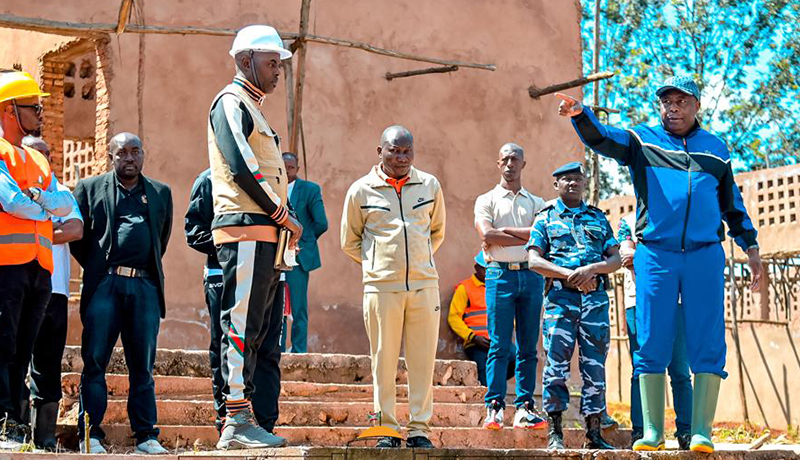
Three years ago, the Office Burundais de l'Urbanisme et de l'Habitat (Obuha) initiated a modernization project on Rukoba hill. This ambitious development, which Obuha announced, has since stalled social life and overwhelmed the local administration with numerous complaints. The project's impact has created significant challenges for residents and administrative officials alike, leading to widespread frustration and uncertainty within the community.
Project Scope and Restrictions
The Rukoba Hill development project mandates the state's recovery of 47% of land for the construction of infrastructure and public services. Under the project's terms, landowners are permitted to retain 53% of their plots, which are then valued based on the new urban planning scheme. This division of land aims to facilitate the creation of public amenities while allowing original owners to maintain a significant portion of their property. The project's structure dictates a specific allocation of land to balance public development needs with private ownership rights in the redeveloped area. Crucially, a strict ban remains in place, preventing the construction, rehabilitation, or sale of any land parcel before the completion of the area's development. This full restriction is a key factor contributing to the current challenges faced by residents.
Community Life Paralyzed
The development project has paralyzed community life on Rukoba Hill, severely disrupting established social practices such as marriage and home-building. This ban has created profound personal difficulties for many residents. Cédric Nimbona, a resident, described how he was prevented from constructing his home last year, directly hindering his marriage plans. Nimbona, who was supposed to get married last year, finds his life on hold due to these restrictions. "It is forbidden to lay a single brick as long as the delimitation has not yet been done," Nimbona stated, noting the strictness of the prohibition. He added, "Today, I am stuck at my parents' house, my fiancée is waiting at hers. We are prevented from starting our home," illustrating the direct impact on his family formation.
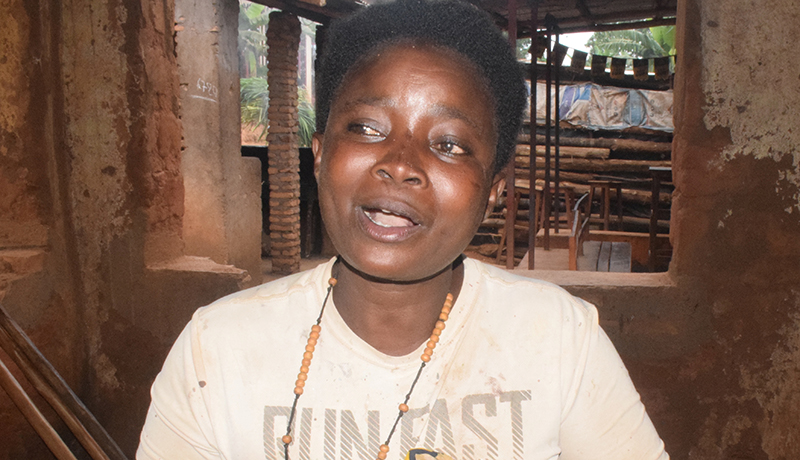
The inability to build or sell property has also impacted residents' financial stability, further exacerbating the community's struggles. Pascal Harakandi, identified as a patriarch in the community, explained that land cannot be sold because it remains under embargo, which critically hinders financial projects for families. Harakandi noted the land's importance as a primary asset, saying, "Having no liquidity, our only bank is our land." He further noted the difficulty in monetizing assets due to the restrictions, stating, "I wanted to sell but no one buys our land which is today under embargo. Our projects are totally handicapped." The ban on construction and sales has thus created significant personal and economic challenges for residents, blocking their ability to secure funds for essential needs or investments.
Administration's Powerlessness
The head of Rukoba hill has admitted to being powerless in the face of ongoing development issues, acknowledging that three years without proper land demarcation is an untenable situation. This prolonged lack of clarity regarding property boundaries has contributed significantly to the administrative challenges and social disruptions experienced by residents. The head of Rukoba hill explicitly stated his powerlessness, emphasizing the severity of the situation. This admission shows the difficulties local authorities face in implementing the project and addressing community grievances effectively. The absence of demarcation has stalled personal and economic activities, creating significant frustration among the hill's inhabitants and placing a considerable burden on the local administration, which is overwhelmed by the sheer volume of complaints from the affected population.
Voices of Frustration
A strict ban remains in place, preventing the construction, rehabilitation, or sale of any land parcel before the completion of the area's development. This restriction has significantly impacted the daily lives and future plans of Rukoba Hill residents, leading to widespread social and economic stagnation. The inability to build homes has created profound social challenges within the community, affecting various aspects of life.
Mothers of families on Rukoba Hill have voiced concerns that numerous young women are becoming pregnant because young men are unable to build homes and establish independent households. According to these mothers, this situation reportedly stems directly from the prolonged development delays and the associated prohibitions on construction, which prevent young couples from starting their own families in a traditional manner. The social repercussions are becoming increasingly apparent as the project continues without resolution, creating new societal pressures and challenges.
Among those affected is Elvis Nininahazwe, who is 32 years old. The restrictions on land use and construction directly influence individuals like Nininahazwe, who face obstacles in securing housing and fulfilling traditional societal expectations related to family formation and independence. The ongoing delays are contributing to widespread frustration and social instability on the hill, with residents eager for a resolution to the modernization project that has so profoundly impacted their lives.